













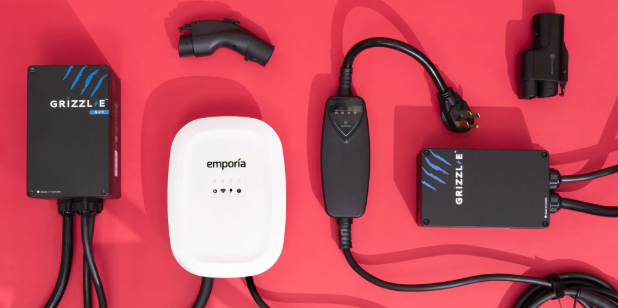
Choosing the right electric vehicle (EV) charger is one of the most important decisions you’ll make after buying an EV. A good charger ensures faster charging, better safety, and lower electricity costs over time. Here’s a complete guide to help you pick the best EV charger for your home or business, including types, costs, installation steps, and what to consider when buying accessories like a Samsung charger wire for compatibility.
Understanding EV Charger Types
EV chargers fall into three main categories: Level 1, Level 2, and DC Fast Charging (Level 3).
Level 1 Chargers
1. Power: 120 volts, 1.4–2 kW
2. Charging Speed: 2–5 miles per hour
3. Best For: Emergency charging or short daily commutes
4. Cost: $300–$600 for equipment
Installation: Uses a standard household outlet; no special installation needed. Level 1 chargers are the slowest option and work with any EV, but they’re not ideal if you need to recharge quickly overnight.
Level 2 Chargers
· Power: 240 volts, 7–22 kW
· Charging Speed: 10–60 miles per hour
· Best For: Most home users and businesses
· Cost: $500–$700 for equipment (some up to $1,000+)
Installation: Requires a 240V outlet and professional electrician
Level 2 chargers are the sweet spot for home charging. They charge your EV 4–10 times faster than Level 1 and can fully charge most vehicles overnight. Popular brands include ChargePoint, JuiceBox, Tesla Wall Connector, and Emporia.
DC Fast Chargers (Level 3)
· Power: 400+ volts, 50–350 kW
· Charging Speed: 100–1,000+ miles per hour
· Best For: Public charging stations and commercial use
· Cost: $12,000–$45,000 installed (equipment alone: tens of thousands)
DC fast chargers are not practical for home use due to their high cost and specialized electrical requirements. They’re primarily used at gas station-like charging hubs.
Key Costs to Consider
Equipment Costs
| Charger Type | Equipment Cost | Installed Cost |
| Level 1 | $300–$600 | ~$300–$600 (no install) |
| Level 2 | $500–$700 | $3,500–$15,000 per charger |
| DC Fast | $18,000–$350,000 | $12,000–$45,000+ |
Installation Costs
Level 2 Installation: Typically $3,000+ depending on your home’s electrical panel, wiring distance, and whether you need a panel upgrade
Wire Gauge: Most Level 2 chargers require 6–10 AWG wire for 240V circuits
Permits: Many localities require permits and inspections for EV charger installation
Electricity Costs
Home Charging: ~36 cents per kWh (varies by utility)
Public DC Fast Charging: 40–60 cents per kWh
How to Install an EV Charger at Home?
Installing a Level 2 charger involves several steps. Always hire a licensed electrician for high-voltage work.
Step-by-Step Installation
Check Your Electrical Panel: Ensure your panel has enough capacity for a 240V circuit. If not, you may need an upgrade.
Choose the Location: Mount the charger close to your electrical panel to save on wiring costs. Keep it 18+ inches from the floor and 36–48 inches to the center of the unit.
Install a Wall Mount: Attach the mounting bracket to a wall stud or solid masonry. Use a cable holster for a clean setup.
Run the Wiring: Drill a hole for cable entry, ensure the right wire gauge (6–10 AWG), and connect wires to the correct terminals.
Secure the Charger: Mount the body onto the bracket, fasten the cover, and ensure gaskets are seated properly for weatherproofing if outdoors.
Test the Charger: Turn on the electrical panel and confirm the charger provides the correct voltage and amperage.
Outdoor Installation Tips
1. Pick a weather-rated charger (NEMA 4 or better)
2. Ensure all connections are sealed
3. Keep the charger close to your electrical panel to reduce wiring costs
4. Choosing the Right Charger for Your EV
Before buying, consider:
Factor What to Ask Yourself
· EV Plug Type Does your car use Type 1 (J1772), Type 2 (Mennekes), CCS1, CCS2, or Tesla?
· Charging Speed How fast do you need to recharge? Level 2 is best for most homes
· Smart Features Do you want Wi-Fi, scheduling, or energy monitoring?
· Budget Hardware + installation can range from $3,500 to $15,000+ for Level 2
· Cable Length Ensure the cable is long enough for your parking setup
If you own a Samsung EV or need a compatible charging cable, look for a Samsung charger wire that matches your vehicle’s plug type (typically Type 2 or CCS2 in most markets). A quality cable ensures safe, efficient charging and prevents compatibility issues.
Top EV Charger Brands for Home Use
1. ChargePoint Home Flex: Smart, Wi-Fi enabled, 15–50 amp adjustable
2. Tesla Wall Connector: Optimized for Tesla vehicles, weather-resistant
3. JuiceBox: User-friendly, smart features, multiple power levels
4. Emporia: Budget-friendly, energy monitoring, app control
5. Grizzl-E: Durable, outdoor-rated, simple design
Final Tips Before You Buy
Match the charger to your EV’s plug type (check your vehicle manual)
Get a professional load calculation to avoid panel overload
Choose a smart charger if you want scheduling and energy tracking
Plan for outdoor use if your parking is outside (NEMA 4 rating)
Consider cable length a ev charging news or compatible cable should be at least 18–25 feet for flexibility
Choosing the right EV charger isn’t just about speed it’s about safety, cost-efficiency, and long-term reliability. With Level 2 as the sweet spot for most homes, you’ll get fast overnight charging without the hassle of public stations. And if you need a compatible cable, a quality ev charging
ensures your EV charges safely every time.