













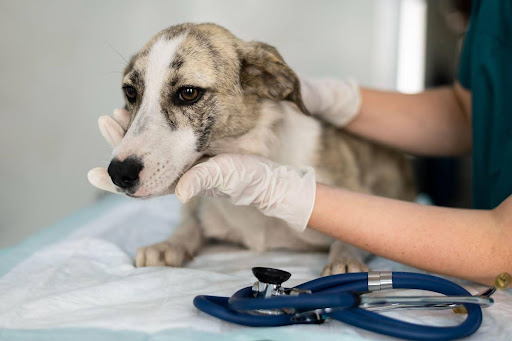
When your pet smiles, plays, or barks, it fills your heart with joy and your mind with calm. But when they suddenly stay silent in a corner, it brings a gut-wrenching worry to every pet owner.
Pets are no longer different from humans; they also have the same needs and habits as we do. They also face health-related issues, including emergencies that require quick action. Those emergencies could be anything, like internal injuries, road accidents, or tumor growths, which can escalate rapidly if not treated in time. In these cases, emergency pet surgery becomes the most effective way to prevent long-term health complications and save a pet’s life.
While routine check-ups and preventive care play a crucial role in maintaining a pet’s health, some situations demand immediate surgical intervention.
Here, let’s understand how these surgeries work and why they are so vital, which can help pet owners make informed decisions during a crisis.
When is Emergency Pet Surgery Needed?
Emergency surgeries are performed when delaying treatment could cause irreversible damage or threaten a pet’s life. Some of the most common reasons include:
- Internal Bleeding: Often caused by trauma, internal bleeding can lead to organ failure if untreated.
- Gastrointestinal Blockages: Pets sometimes swallow foreign objects that cause intestinal blockages, requiring immediate surgery.
- Severe Injuries or Fractures: Accidents or falls can result in complex bone fractures or internal damage.
- Tumor Surgery: Rapidly growing or ruptured tumors can cause life-threatening internal bleeding or organ compression.
- Organ Torsion: Conditions like gastric torsion (bloat) in dogs require immediate surgical correction to restore blood flow.
Each of these cases presents a race against time. The faster the pet receives surgical attention, the better their chances of recovery without long-term complications.
How Emergency Surgery Prevents Long-Term Complications
Delaying emergency care can lead to chronic pain, infection, or irreversible organ damage. Here’s how timely emergency pet surgery helps prevent lasting issues:
1. Preventing Infection and Internal Damage
When internal injuries or ruptures occur, bacteria can quickly spread through the bloodstream, causing sepsis, a potentially fatal condition. Prompt surgery allows veterinarians to clean the wound, remove damaged tissue, and prevent the infection from spreading.
2. Controlling Bleeding and Restoring Organ Function
Internal bleeding may not always be visible from the outside. Emergency surgery enables vets to locate and stop the source of bleeding while ensuring that organs like the liver, spleen, or kidneys are not permanently damaged.
3. Removing Tumors Before They Spread
In cases involving tumor surgery, early intervention can stop the spread of cancerous cells to other organs. This not only prolongs a pet’s life but also maintains their overall health and comfort.
4. Reducing Pain and Improving Mobility
Broken bones or torn ligaments, if left untreated, can lead to deformities or arthritis. Surgery corrects alignment issues and allows for proper healing, ensuring pets can move comfortably again.
5. Preventing Digestive Tract Obstructions
Foreign objects or twisted intestines can block digestion, causing severe discomfort and even death. Emergency surgery restores normal bowel function and prevents long-term digestive problems.
In essence, quick surgical care doesn’t just address the immediate emergency, as it prevents future suffering and gives pets a better quality of life.
Signs That Indicate a Pet May Need Emergency Surgery
Recognizing the early warning signs can make a major difference in treatment outcomes. Pet owners should seek immediate veterinary attention if they notice:
- Persistent vomiting or refusal to eat
- Difficulty breathing or excessive panting
- Swollen abdomen or sudden collapse
- Severe bleeding from wounds or body openings
- Lethargy or unresponsiveness
- Painful lumps or sudden swelling
These symptoms could signal anything from internal injuries to organ failure. In such cases, visiting a veterinary clinic equipped with surgical facilities is critical.
The Role of Veterinary Clinics in Managing Pet Emergencies
Modern veterinary medicine has advanced significantly, allowing clinics to perform complex surgeries with precision and care. A reputable veterinary clinic not only provides surgical expertise but also offers comprehensive pre- and post-operative support to ensure pets recover safely.
Key aspects of emergency surgical care include:
- Advanced Diagnostic Tools: Imaging technologies like X-rays, ultrasounds, and CT scans help vets quickly identify the root cause.
- Skilled Surgical Teams: Experienced veterinarians can handle a range of procedures, from tumor surgery to trauma repair.
- Anesthesia and Pain Management: Proper anesthesia protocols ensure pets remain comfortable and safe during surgery.
- Post-Surgical Monitoring: Continuous monitoring ensures early detection of complications like infection or swelling.
Veterinary clinics that provide 24/7 emergency care are especially valuable, as pet emergencies rarely happen during regular working hours.
Recovery and Aftercare: What Pet Owners Should Know
Recovery is an essential part of the healing process. Proper aftercare ensures that pets regain their strength and remain free from further complications. Pet owners can support recovery by following these guidelines:
- Follow Medication Schedules: Administer antibiotics or pain relief as prescribed by the vet.
- Restrict Movement: Limit jumping, running, or playing until the vet approves.
- Monitor for Signs of Infection: Redness, swelling, or discharge at the surgical site should be reported immediately.
- Maintain Regular Check-Ups: Follow-up visits allow vets to assess healing and adjust care if necessary.
With the right care, most pets recover fully and return to their normal routines in a matter of weeks.
Preventing Emergencies: A Proactive Approach
While not every emergency can be avoided, certain measures reduce the risks:
- Keep harmful objects and toxic substances out of reach.
- Maintain regular vet check-ups to catch hidden health issues early.
- Watch for unusual behavior or eating habits.
- Manage your pet’s weight and exercise levels to prevent joint and organ stress.
Early detection and preventive care can minimize the need for emergency pet surgery, ensuring pets live longer, healthier lives.
Conclusion:
When a beloved pet faces a sudden medical crisis, having access to a dependable Veterinary Clinic makes all the difference. Immediate action through emergency pet surgery can prevent life-threatening complications, stop disease progression, and restore comfort and vitality.
In Dubai, Companion Veterinary Clinic stands out as a trusted name in emergency care. Their skilled team, advanced diagnostic tools, and compassionate approach ensure that every pet receives the highest standard of treatment, from tumor surgery to critical care procedures. They understand that pets are family and treat them with the urgency, precision, and empathy they deserve.
For pet owners seeking reassurance and reliable medical support in urgent situations, Companion Veterinary Clinic offers not just treatment but hope, healing, and a promise of better health for every companion animal.