










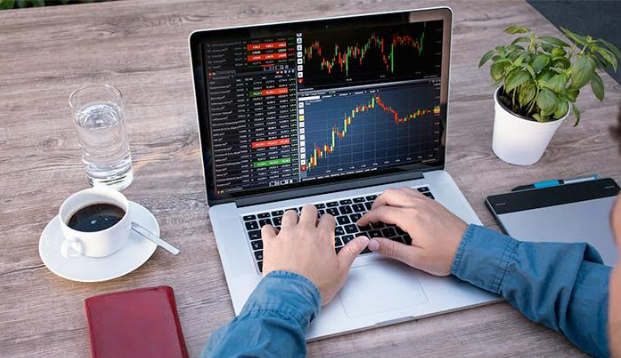
At the beginning, leverage usually sounds exciting. The idea of controlling larger market exposure with a smaller amount of capital naturally attracts attention, especially for beginners exploring the markets for the first time. But after a few real trades, most people begin seeing leverage differently. The experience becomes less about excitement and more about understanding responsibility, emotional control, and risk. In leverage trading, the first few trades often teach lessons that no tutorial fully explains beforehand.
Price Movement Feels More Intense Than Expected
One of the earliest surprises is how quickly emotions change once leverage is involved.
Small market movements suddenly feel much more important because the impact becomes amplified. Traders often expect the market to feel fast, but they do not always expect the emotional pressure that comes with it.
This is usually the first major lesson.
In leverage trading, even moderate price changes can create stronger emotional reactions than beginners initially imagine.
Confidence Can Change Very Quickly
Another thing traders notice early on is how quickly confidence shifts.
A positive trade can create excitement and overconfidence, while a negative one can create hesitation just as fast. Because leverage magnifies outcomes, emotional swings often become stronger too.
This teaches an important reality.
Trading decisions need stability, not emotional extremes. Traders who learn this early usually develop healthier habits over time.
Risk Starts Feeling Real
Before placing live trades, risk often feels theoretical.
People understand the concept intellectually, but the emotional side only becomes clear through experience. After a few leveraged trades, most traders begin respecting risk more seriously because they have personally felt the pressure of uncertainty.
This shift changes behaviour.
In leverage trading, traders often become more cautious and structured once they understand how quickly emotions can influence decisions.
Patience Becomes More Valuable
Beginners often think trading success comes from constant action.
Then leverage changes the experience. Traders realise that rushing decisions can quickly create unnecessary pressure. As a result, patience starts becoming more important than speed.
Many experienced traders eventually slow down rather than becoming more aggressive.
That calmer approach usually improves consistency far more than chasing every opportunity.
Emotional Control Matters More Than Technical Knowledge
One surprising lesson is that emotional discipline often matters as much as analysis itself.
A trader may understand charts perfectly but still struggle if fear or excitement takes over during real trades. This emotional pressure becomes easier to notice after the first few leveraged positions.
Over time, awareness improves.
Traders begin recognising emotional patterns before they completely affect decision-making.
Smaller Positions Often Feel Smarter
Another common realisation is that bigger exposure does not automatically create better results.
Many beginners initially assume larger positions create faster progress. Later, they realise that smaller, controlled positions often feel much easier to manage emotionally.
This creates calmer decision-making overall.
In leverage trading, comfort and control often become more valuable than aggressive exposure.
Experience Changes the Entire Perspective
The biggest lesson usually comes from experience itself.
Leverage stops feeling like just a tool for larger opportunities and starts feeling like something that requires balance and discipline. Traders begin thinking more carefully about timing, risk, and emotional stability.In the end, the first few trades often change how people view the market completely. What initially seemed exciting and straightforward begins revealing a deeper psychological side. And in leverage trading, those early lessons often shape a trader’s habits and mindset far more than technical strategies alone.