













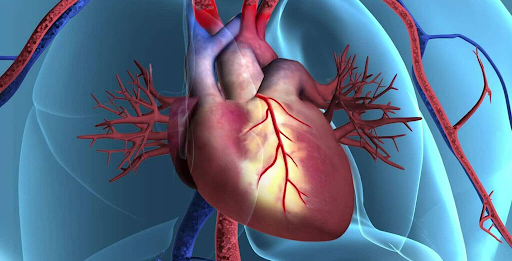
Heart failure represents a progressive clinical condition where the heart is unable to pump blood efficiently to meet the body’s needs. It often develops gradually, with symptoms such as fatigue, breathlessness, and fluid retention becoming more pronounced over time. While early stages can be managed with medication and lifestyle adjustments, advanced cases require more structured medical intervention. This is where heart failure surgery becomes a critical consideration.
The journey from diagnosis to surgical treatment is not immediate; it involves careful evaluation, risk assessment, and multidisciplinary planning. Patients must understand the nature of their condition, the purpose of surgical intervention, and the expected outcomes. Modern healthcare emphasizes clarity and informed decision-making, ensuring individuals are active participants in their treatment pathway.
This guide outlines the key stages involved, offering a focused and professional perspective on how surgical solutions are integrated into comprehensive cardiac care.
Clinical Evaluation and Diagnostic Precision
The transition toward surgical intervention begins with an accurate and detailed diagnosis. Cardiologists rely on a combination of imaging techniques, laboratory tests, and clinical assessments to determine the severity of heart failure. Echocardiograms, cardiac MRI scans, and stress tests provide insights into heart structure and function, helping specialists identify underlying causes such as valve dysfunction or weakened heart muscles.
This phase is crucial because it defines the suitability of surgical treatment. Not all patients require immediate intervention; some benefit from optimized medical therapy. However, when symptoms persist or worsen despite treatment, advanced solutions are considered. The role of multidisciplinary teams becomes essential, as cardiologists, surgeons, and anesthesiologists collaborate to design a personalized care plan. This precision-driven approach ensures that surgical decisions are based on evidence, minimizing risks while maximizing the potential for improved cardiac performance and patient outcomes.
Decision-Making Framework for Surgical Intervention
Once diagnostic clarity is achieved, the focus shifts to determining whether surgery is the most appropriate course of action. This decision is influenced by multiple factors, including the patient’s age, overall health, severity of symptoms, and response to previous treatments. In this context, surgery on heart is not viewed as a last resort but as a strategic intervention aimed at restoring cardiac efficiency.
Specialists evaluate potential benefits against associated risks, ensuring that the procedure aligns with long-term health goals. Patients are guided through detailed consultations, where they gain a clear understanding of the procedure, recovery expectations, and possible complications. This transparent communication fosters confidence and reduces uncertainty. By adopting a structured decision-making framework, healthcare providers ensure that surgical intervention is both timely and appropriate, enhancing the likelihood of successful outcomes and sustained improvement in quality of life.
Surgical Techniques and Procedural Advancements
Advancements in medical technology have significantly transformed the landscape of cardiac surgery. Today’s procedures are designed to be more precise, less invasive, and highly effective in addressing complex cardiac conditions. Techniques may include valve repair or replacement, implantation of assistive devices, or corrective procedures targeting structural abnormalities.
The integration of advanced imaging and surgical tools allows for greater accuracy during operations. Surgeons can now perform intricate procedures with enhanced control, reducing trauma to surrounding tissues. This evolution has improved patient safety and expanded the range of treatable conditions. In many cases, minimally invasive approaches are preferred, as they lead to faster recovery and reduced hospital stays. These innovations reflect a broader commitment to improving patient outcomes through continuous refinement of surgical practices and adoption of cutting-edge technologies in cardiac care.
Post-Operative Care and Long-Term Management
Surgical intervention is only one part of the treatment journey; recovery and long-term management play an equally important role. After undergoing heart failure surgery, patients require close monitoring to ensure proper healing and optimal cardiac function. Post-operative care includes medication management, physical rehabilitation, and regular follow-up consultations.
Rehabilitation programs are tailored to individual needs, focusing on gradual improvement in strength and endurance. Lifestyle modifications, such as dietary adjustments and controlled physical activity, are also essential components of recovery. Healthcare providers emphasize the importance of adherence to medical advice, as it directly impacts long-term outcomes. Continuous monitoring helps detect any potential complications early, allowing for timely intervention. This comprehensive approach ensures that patients not only recover from surgery but also maintain improved heart health over time.
Future Outlook and Advancing Patient Outcomes
The field of cardiac surgery continues to evolve, driven by research, innovation, and a commitment to improving patient care. Emerging technologies such as artificial intelligence and precision imaging are expected to further enhance diagnostic accuracy and surgical planning. These advancements will enable more personalized treatment strategies, ensuring that each patient receives care tailored to their specific condition.
In the future, surgical procedures are likely to become even less invasive, with improved recovery times and reduced risks. Training and expertise will remain critical, as skilled professionals are essential to implementing advanced techniques effectively. The focus will continue to shift toward preventive care and early intervention, reducing the need for complex procedures. As medical science progresses, patients can expect more reliable and efficient solutions, reinforcing the role of heart surgery as a cornerstone in advanced cardiac treatment and long-term health management.
Conclusion
The journey from diagnosis to surgical intervention in heart failure care is defined by precision, planning, and patient-centered decision-making. Each stage, from initial evaluation to post-operative recovery, is carefully structured to ensure optimal outcomes and improved quality of life. Surgical solutions are no longer isolated procedures but integral components of a broader, holistic treatment strategy. Understanding this process empowers patients to make informed decisions and approach treatment with confidence.
Those who are looking for trusted and advanced cardiac care, Dr. Udgeath Dhir is a leading expert in cardiac surgery, renowned for providing state-of-the-art interventions that combine precision, safety, and patient-centered care. He ensures each patient receives tailored treatment and world-class support. With a focus on innovative techniques, including robotic cardiac surgery, and compassionate guidance, Dr. Udgeath Dhir helps patients achieve optimal heart health and a faster, safer recovery.