













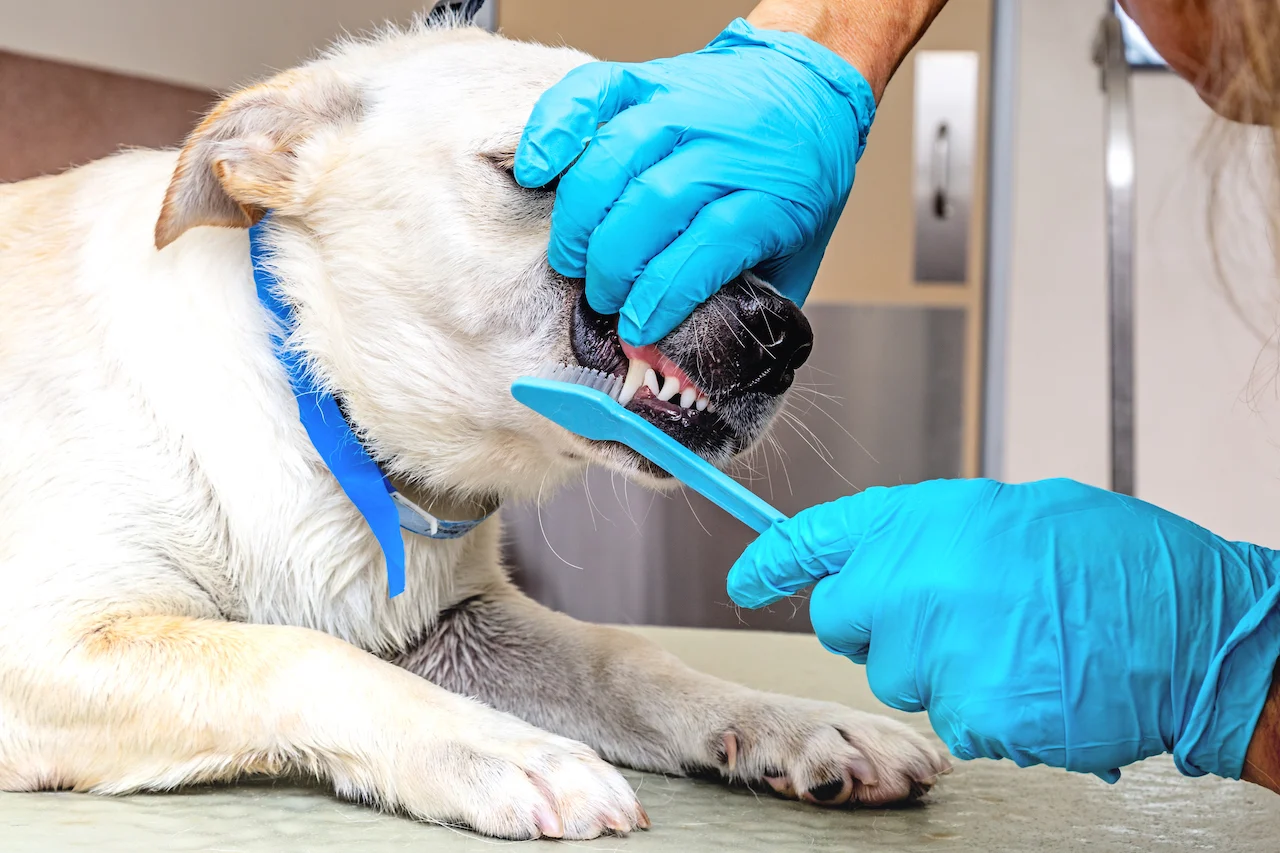
As a responsible pet owner, understanding the importance of spaying and neutering is crucial for ensuring the health and well-being of your pets while contributing to population control. These procedures not only prevent unwanted litters but also reduce the risk of certain reproductive diseases and behavioral issues in both cats and dogs. By learning about the benefits, timing, and procedures involved, pet owners can make informed decisions that promote the long-term health of their companions. Modern veterinary techniques make spaying and neutering animals safe and effective, allowing pets to enjoy healthier, longer lives.
Spaying is the surgical removal of the ovaries and uterus in female pets, while neutering removes the testes in males. Both procedures are recommended to improve health and prevent behavioral issues, with modern veterinary techniques making them safe and efficient.
Benefits of Spaying and Neutering
Understanding the advantages of spaying and neutering is important for every pet owner. The benefits extend beyond population control to include health, behavior, and social impact.
1. Health Benefits
- Disease Prevention: Spaying eliminates the risk of uterine infections and significantly reduces the chance of mammary gland tumors in female animals. Neutering males reduces the likelihood of testicular cancer and prostate problems.
- Longevity: Studies indicate that spayed or neutered pets often live longer due to a decreased risk of reproductive cancers and certain infections.
- Weight Management: After surgery, pets may experience a slower metabolism, which requires careful diet management to prevent obesity. Regular exercise helps maintain a healthy weight.
2. Behavioral Benefits
- Reduced Aggression: Neutering male dogs can decrease aggressive behavior and reduce territorial marking.
- Lowered Roaming Tendencies: Both male and female pets are less likely to wander in search of mates, reducing the risk of accidents or injuries.
- Improved Social Behavior: Spayed and neutered pets tend to be calmer, more affectionate, and easier to train.
Timing of Spaying and Neutering
Veterinarians recommend that pets undergo spaying or neutering at an age that balances safety, development, and health benefits. Typically:
- Cats: As early as 4–6 months of age.
- Dogs: Generally between 6–12 months, depending on breed and size.
Early spaying or neutering helps prevent health and behavioral issues, but your veterinarian can provide guidance on the ideal timing for your specific pet.
Preparing for Surgery
Proper preparation ensures a smooth procedure and recovery.
- Pre-Surgery Checkup: A thorough examination and blood tests ensure the pet is healthy enough for anesthesia.
- Fasting: Pets are usually required to fast for 8–12 hours prior to surgery.
- Comfort Measures: Provide a quiet space at home for recovery and minimize activity in the first few days.
Your veterinarian will explain all pre-surgery instructions to ensure a safe procedure.
Post-Surgery Care
Proper post-operative care is essential to prevent complications.
- Monitor Incision: Check for swelling, redness, or discharge.
- Limit Activity: Restrict running, jumping, and rough play for at least 7–10 days.
- Pain Management: Administer prescribed medications as instructed by the veterinarian.
- Follow-Up Visits: Regular checkups ensure proper healing and early detection of any issues.
Addressing Common Concerns
Many pet owners have questions about spaying and neutering. Common concerns include:
- Behavior Changes: Most pets remain playful and affectionate; some may show reduced aggression or roaming behaviors.
- Weight Gain: A slightly slower metabolism may occur, but proper diet and exercise can maintain a healthy weight.
- Anesthesia Risks: Modern veterinary care ensures safety, and pre-surgery screenings minimize risks.
By understanding these concerns, owners can make informed decisions about their pet’s care.
Myths About Spaying and Neutering
There are several misconceptions surrounding these procedures:
- It makes pets lazy: Proper exercise and diet prevent lethargy.
- Pets will lose their personality: Personality traits are generally unaffected; positive behavioral changes are often observed.
- It’s better to let pets have one litter: Health benefits and population control outweigh the perceived benefits of breeding.
Dispelling these myths helps pet owners make evidence-based decisions.
Long-Term Benefits
Investing in spaying and neutering improves the quality of life for pets and owners:
- Reduced Health Risks: Spaying and neutering help lower the chances of reproductive cancers, uterine infections, and other related health issues, promoting a longer and healthier life for your pets.
- Better Behavior: These procedures often result in calmer, more manageable pets, reducing tendencies like aggression, roaming, and marking territory.
- Social Responsibility: By preventing unwanted litters, spaying and neutering contribute to controlling stray animal populations, supporting community well-being, and animal welfare.
Ultimately, spaying and neutering create healthier, happier, and more responsible pet ownership.
Advances in Veterinary Techniques
Veterinary medicine has evolved to make spaying and neutering animals safer, less invasive, and more effective.
- Minimally Invasive Surgery: Laparoscopic techniques reduce recovery time and discomfort.
- Improved Anesthesia: Modern anesthesia protocols minimize risk and speed up healing.
- Post-Operative Care: Pain management, antibiotics, and nutritional support ensure optimal recovery.
These advances make it easier for pet owners to prioritize their pet’s health without unnecessary stress.
Male Dog Neutering
For male pets, the male dog neutering procedure in Dubai involves the surgical removal of the testes, which reduces the risk of prostate issues and testicular cancers. Post-surgery, dogs often display reduced aggression, less roaming behavior, and calmer social interactions. Neutering is a key aspect of responsible pet ownership, particularly for households with multiple pets or in areas with high stray populations.
Conclusion
Spaying and neutering are essential procedures that support the health, behavior, and well-being of pets. From reducing disease risks to preventing overpopulation, these surgeries offer numerous benefits for both animals and their owners. Modern techniques have made these procedures safe, efficient, and increasingly accessible. Pet owners who invest in spaying and neutering animals and consult veterinarians about the male dog neutering procedure in Dubai are taking responsible steps toward healthier, happier pets.
If you are looking for a trusted veterinary clinic, Pet Point Veterinary Clinic provides comprehensive care for pets, including spaying and neutering services, vaccinations, and preventive healthcare. The clinic focuses on compassionate treatment, modern surgical techniques, and personalized care plans to ensure pets enjoy long, healthy lives while supporting responsible pet ownership.