













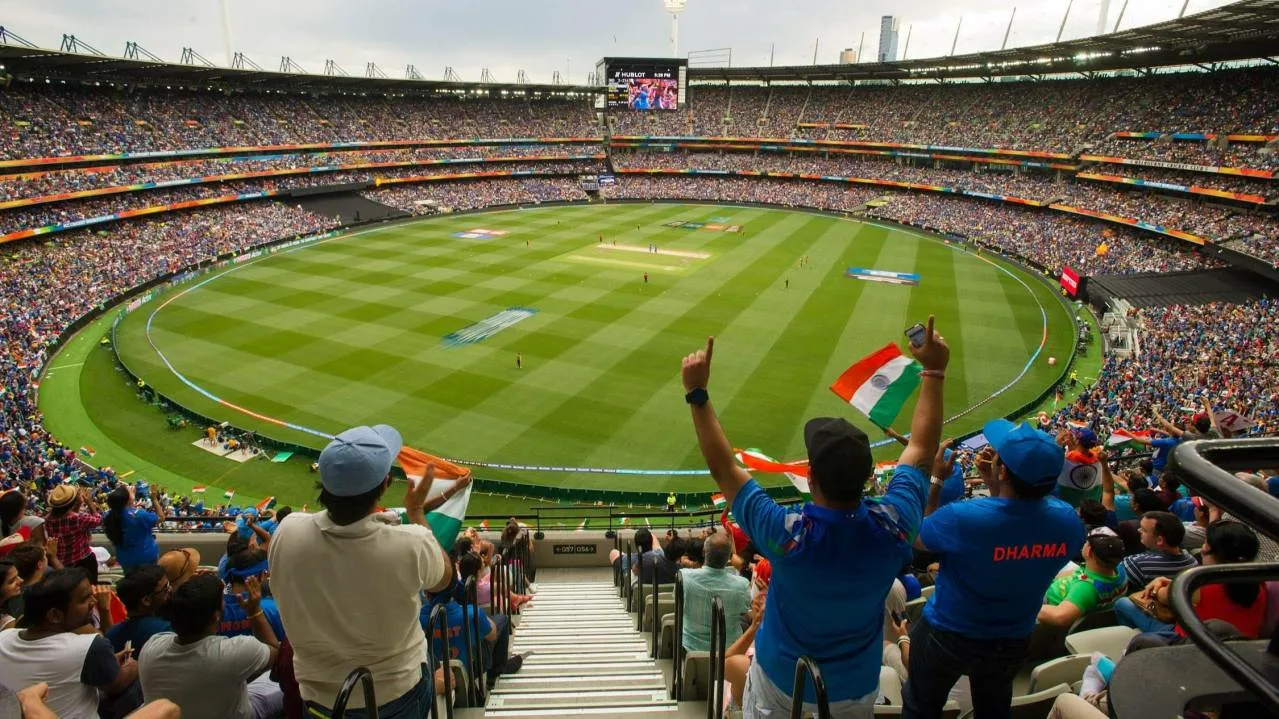
Franchise strategy in the Indian Premier League continues to evolve with each season, reflecting a balance between consistency and calculated change. Teams do not merely retain or release players based on past performances, but also on future potential, team chemistry, and auction dynamics. As the new season approaches, these decisions begin to define the competitive landscape well before the first ball is bowled.
The discussion around the IPL 2026 retained players list has therefore gained significant attention, as it reveals how franchises are structuring their core units. Retentions offer insight into long-term planning, while releases signal tactical resets. Together, they form a critical narrative that shapes expectations for the upcoming tournament.
Understanding Team Retention Strategy
Franchises approach retention with a clear focus on stability and performance continuity. Core players, especially those who have consistently delivered under pressure, are often prioritized to maintain a strong foundation. This ensures that teams enter the season with a reliable backbone rather than rebuilding from scratch.
At the same time, retention decisions are influenced by salary caps and squad balance. Teams must allocate their budget carefully, ensuring that retaining high-value players does not restrict flexibility during auctions. This strategic balancing act defines how competitive a squad remains over time.
How Releases Shape Auction Dynamics
Releasing players is not always a reflection of poor performance. Often, it is a calculated decision driven by tactical shifts or financial considerations. Teams may release experienced players to free up budget space or to pursue emerging talent that better fits their evolving game plans.
These releases significantly influence the auction pool, creating opportunities for other franchises to strengthen their squads. A player released by one team may become a crucial asset for another, making the release phase as impactful as retention in shaping the tournament.
Complete IPL 2026 Team Retentions Overview
Below is a structured overview of all IPL teams and some of their key retained players for the 2026 season:
| Teams | Captian | Core Retained Players |
| Royal Challengers Bengaluru | Rajat Patidar | Virat Kohli, Phil Salt, Jitesh Sharma, Josh Hazelwood |
| Mumbai Indians | Hardik Pandya | Rohit Sharma, Suryakumar Yadav, Jasprit Bumrah, Deepak Chahar |
| Chennai Super Kings | Ruturaj Gaikwad | Shivam Dube, Dewald Brevis, MS Dhoni, Khaleel Ahmed |
| Kolkata Knight Riders | Ajinkya Rahane | Rinku Singh, Harshit Rana, Varun Chakaravarthy, Sunil Narine |
| Delhi Capitals | Axar Patel | KL Rahul, Kuldeep Yadav, Tristan Stubbs, Mitchell Starc |
| Rajasthan Royals | Riyan Parag | Yashasvi Jaiswal, Jofra Archer, Dhruv Jurel, Shubham Dubey |
| Sunrisers Hyderabad | Pat Cummins | Travis Head, Abhishek Sharma, Heinrich Klaasen, Ishan Kishan |
| Punjab Kings | Shreyas Iyer | Arshdeep Singh, Shashank Singh, Prabhsimran Singh, Yuzvendra Chahal |
| Lucknow Super Giants | Rishabh Pant | Nicholas Pooran, Mitchell Marsh, Digvesh Rathi, Mayank Yadav |
| Gujarat Titans | Shubman Gill | Rashid Khan, Jos Buttler, Md Siraj, Sai Sudharsan |
This table highlights the emphasis on retaining a mix of experienced leaders and impactful performers. Teams have largely focused on players who bring both consistency and adaptability to different match situations.
Key Patterns Observed in Retentions
A close look at retention choices reveals certain patterns that most franchises seem to follow. Teams tend to prioritize all-rounders and multi-dimensional players who can contribute across departments. This approach offers greater flexibility in match situations and reduces dependency on a single role.
Additionally, younger players with high growth potential are increasingly being retained. Franchises are investing in long-term assets rather than relying solely on established names. This shift reflects a broader trend toward sustainable team building.
Emphasis on Leadership Stability
Captains and senior players continue to be central to retention decisions. Leadership plays a critical role in high-pressure tournaments, and teams prefer to avoid unnecessary disruptions in this area.
Maintaining a stable leadership group also helps in nurturing younger players. It creates a structured environment where emerging talent can develop under experienced guidance.
Rise of Young Indian Talent
Franchises are placing significant trust in young domestic players. These players not only offer cost efficiency but also bring energy and adaptability to the squad.
The focus on youth indicates a shift toward building teams that can perform consistently over multiple seasons rather than relying on short-term success.
All-Rounders as Strategic Assets
Multi-skilled players have become indispensable in modern T20 cricket. Teams are increasingly retaining all-rounders who can influence the game with both bat and ball.
This trend allows teams to maintain balance without compromising on depth, especially in high-pressure scenarios.
Bowlers with Specialized Skills
Retention lists highlight the importance of bowlers who excel in specific phases of the game. Death-over specialists and powerplay bowlers are particularly valued.
These players often determine match outcomes, making them a priority in retention strategies across franchises.
Overseas Player Balance
Franchises carefully manage their overseas slots by retaining players who consistently deliver value. Rather than experimenting frequently, teams prefer stability in their international lineup.
This approach ensures better team coordination and reduces the risk associated with frequent changes.
Impact on Team Combinations for 2026
Retention decisions directly influence how teams structure their playing elevens. With a strong core already in place, franchises can use auctions to address specific gaps rather than overhaul their squads entirely. This targeted approach often leads to more balanced and competitive teams.
Furthermore, retained players bring familiarity with team culture and strategies. This reduces the adjustment period at the start of the season, allowing teams to perform more consistently from the outset. Such continuity often proves decisive in a tightly contested tournament.
Final Thoughts
The evolving nature of squad management in the IPL reflects a deeper understanding of modern T20 dynamics. Retentions and releases are no longer routine administrative steps but strategic decisions that define a team’s identity and competitiveness. As franchises prepare for another intense season, these choices will continue to influence outcomes both on and off the field.
For readers seeking timely updates, match insights, and detailed cricket coverage, CBTF Speed News serves as a reliable source. The platform focuses on delivering structured cricket analysis, player updates, and match previews that align with current trends in the sport. Coverage around squad changes, including the IPL 2026 released players list, ensures that audiences stay informed with relevant and concise information throughout the season.