













Preparing steel beams for demanding construction projects requires a combination of engineering precision, material expertise, and advanced fabrication methods. Large-scale structures depend on beams that are cut, shaped, and finished to exact specifications to ensure safety and durability. Many contractors rely on the best beam laser cutting companies in Dubai to achieve the accuracy required for intricate architectural and industrial frameworks, especially when traditional cutting methods fall short.
Material Assessment and Selection
Every successful fabrication process begins with selecting the appropriate steel grade and evaluating its mechanical properties. Structural performance depends heavily on choosing materials that can withstand load requirements, environmental conditions, and long-term wear.
- Understanding Load Requirements: Engineers must determine how much weight the beam will carry, including static and dynamic loads. This calculation influences the thickness, composition, and cross-section of the steel. Incorrect estimations can lead to deformation or structural instability over time.
- Evaluating Environmental Conditions: Steel used in coastal, industrial, or humid environments must resist corrosion and temperature variations. Protective coatings or alloy selections may be necessary to maintain durability. Proper assessment prevents premature deterioration and costly repairs.
- Selecting the Correct Steel Grade: Different grades offer varying levels of strength, flexibility, and weldability. High-strength low-alloy steels are commonly used for heavy construction due to their balance of toughness and workability. Choosing the wrong grade can complicate fabrication and compromise performance.
- Checking Surface Quality: Surface defects such as cracks, rust, or inclusions can weaken the beam. Inspection ensures that only high-quality materials proceed to fabrication, maintaining consistency and reliability throughout the project.
Precision Cutting and Shaping Techniques
Accurate cutting is essential to ensure beams fit perfectly within complex frameworks. Advanced methods provide clean edges, minimal distortion, and the flexibility to produce intricate profiles required for modern construction designs.
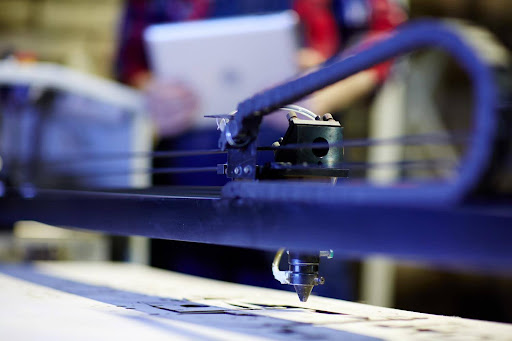
- Laser-Based Beam Processing: Modern fabrication facilities employ Precision beam laser cutting to achieve exact dimensions and smooth finishes. This technology allows fabricators to create complex shapes while maintaining structural integrity. It also reduces the need for additional machining, saving time and resources.
- Thermal Cutting Methods: Techniques such as plasma and oxy-fuel cutting are useful for thicker materials. While effective, they require careful control to prevent excessive heat-affected zones that may alter the steel’s properties. Proper calibration ensures consistent results.
- Mechanical Cutting Solutions: Sawing and shearing remain valuable for straightforward cuts. These methods are often combined with advanced technologies to handle different sections of the beam efficiently without compromising precision.
- Dimensional Accuracy Verification: After cutting, measurements are checked against design specifications. This step ensures that all components align correctly during assembly, preventing costly adjustments later in the construction process.
Surface Preparation and Finishing
Preparing the beam’s surface enhances durability, improves bonding during assembly, and protects against environmental damage. Proper finishing also contributes to the structural integrity of the final installation.
- Cleaning and Deburring: Removing sharp edges, slag, and contaminants ensures safe handling and proper fit during assembly. Deburring also prevents stress concentrations that could lead to cracks under load.
- Protective Coating Application: Coatings such as galvanization or epoxy paint protect steel from corrosion and chemical exposure. These treatments are particularly important for beams used in outdoor or industrial environments.
- Surface Profiling for Welding: Preparing surfaces to the correct roughness level improves weld penetration and strength. Proper profiling ensures that joints perform reliably under operational stresses.
- Quality Inspection of Finish: Visual and technical inspections confirm that coatings are evenly applied and free of defects. This step ensures long-term protection and reduces maintenance requirements.
Fabrication and Structural Modifications
Complex construction projects often require beams to undergo additional shaping, drilling, or reinforcement before installation. Skilled fabrication ensures that modifications do not compromise strength or alignment.
- Drilling and Slotting for Connections: Holes and slots are created to accommodate bolts, fasteners, or integrated components. Accurate placement is crucial to maintain structural balance and load distribution. Many contractors collaborate with the best beam laser cutting companies in Dubai to achieve these precise modifications efficiently.
- Bending and Forming Operations: Certain applications require curved or angled beams. Controlled bending processes maintain the steel’s integrity while achieving the desired geometry. Improper bending can introduce residual stresses and weaken the structure.
- Reinforcement Integration: Additional plates or stiffeners may be attached to enhance load-bearing capacity. These reinforcements are carefully designed to distribute forces evenly across the beam.
- Trial Assembly and Fit Testing: Before final installation, components are often assembled temporarily to verify alignment. This step identifies potential issues early, reducing delays during on-site construction.
Quality Control and Compliance
Ensuring that prepared beams meet industry standards is essential for safety and project success. Comprehensive testing and documentation confirm that each component performs as intended.
- Dimensional Inspection Procedures: Precision measuring tools verify that beams conform to design tolerances. Accurate dimensions are critical for seamless integration with other structural elements.
- Mechanical Property Testing: Tests such as tensile strength and hardness assessments confirm that the steel maintains its required performance characteristics after fabrication. This ensures reliability under operational loads.
- Weld Integrity Evaluation: Non-destructive testing methods detect hidden flaws in welded areas. Identifying defects early prevents potential failures during service.
- Certification and Documentation: Maintaining detailed records of materials, processes, and inspections ensures compliance with regulatory standards. Documentation also provides traceability for future maintenance or modifications.
Logistics and Installation Readiness
Proper preparation extends beyond fabrication to include safe handling, transportation, and on-site readiness. Efficient logistics ensure that beams arrive in optimal condition and are ready for installation.
- Secure Packaging and Handling: Protective packaging prevents damage during transit. Proper lifting techniques and equipment reduce the risk of deformation or surface damage.
- Transportation Planning: Large beams require specialized vehicles and route planning. Coordinating delivery schedules minimizes delays and ensures smooth project progression.
- On-Site Storage Conditions: Temporary storage areas must protect beams from moisture, contamination, and physical impact. Maintaining proper conditions preserves material quality until installation.
- Installation Coordination: Aligning delivery with construction timelines ensures that beams are installed promptly, reducing storage risks and improving workflow efficiency.
Conclusion
Preparing steel beams for complex construction needs involves a detailed process that combines material expertise, advanced cutting technologies, careful fabrication, and rigorous quality control. From selecting the right steel grade to ensuring precise modifications and safe delivery, every stage contributes to the structural integrity and longevity of the final project. Modern techniques such as Precision beam laser cutting enable fabricators to meet demanding specifications with exceptional accuracy and efficiency.
For organizations seeking reliable expertise and advanced capabilities in beam preparation, Morshedi stands out as a trusted partner, delivering high-quality fabrication solutions tailored to complex construction requirements while maintaining strict standards of precision and performance.