













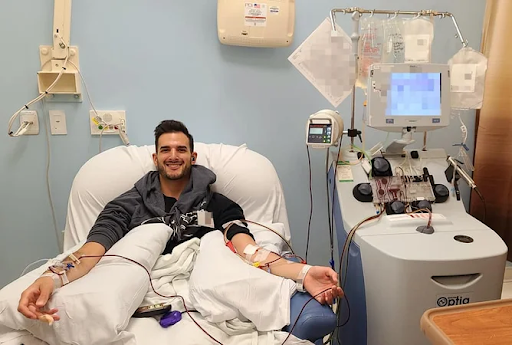
Bone marrow donation plays a vital role in saving the lives of people affected by serious blood disorders, immune system diseases, and cancers such as leukaemia. Although it is a proven and life-saving treatment, many patients and families are unsure about how bone marrow donation actually works and what the process involves. Gaining clear knowledge about this procedure can help patients feel more confident and prepared during their treatment journey.
Understanding Bone Marrow and Its Role in the Body
Bone marrow is a soft, sponge-like tissue located inside large bones, including the hip bones and thigh bones. Its main function is to produce stem cells, which later develop into red blood cells, white blood cells, and platelets. These blood components are essential for carrying oxygen, fighting infections, and controlling bleeding.
When bone marrow becomes damaged due to disease, genetic conditions, or aggressive treatments like chemotherapy, the body can no longer produce healthy blood cells. In such cases, a bone marrow transplant is recommended to replace unhealthy marrow with healthy stem cells from a compatible donor, allowing normal blood cell production to restart.
Who Is Eligible to Donate Bone Marrow?
Not everyone can become a bone marrow donor. To ensure safety and success, donors must meet specific requirements:
- Age: Most registries accept donors between 18 and 45 years
- Overall health: Donors should be free from major chronic illnesses
- Body weight: A minimum weight is required for safe stem cell collection
- Compatibility: Donors are matched with patients using HLA tissue typing
A closer genetic match significantly improves transplant success and reduces the risk of complications, though partial matches may also be considered in certain situations.
Methods of Bone Marrow Donation
Bone marrow can be donated using two well-established techniques, depending on the patient’s medical needs.
1. Peripheral Blood Stem Cell (PBSC) Donation
This is the most commonly used method today. Donors are given medication for a few days to increase the number of stem cells circulating in their blood. These stem cells are then collected through a process called apheresis, where blood is drawn, stem cells are separated, and the remaining blood is returned to the donor.
- Advantages: Non-surgical and minimally invasive
- Recovery: Temporary side effects such as tiredness or mild bone pain usually fade within a few days
2. Surgical Bone Marrow Collection
In this method, stem cells are taken directly from the pelvic bone using a needle while the donor is under anaesthesia. The collected marrow is then prepared for transplantation.
- Advantages: Provides a concentrated source of stem cells
- Recovery: Donors may feel soreness or stiffness near the collection area for several days
Also Know: Top 10 hematologist in india
What Patients Can Expect During a Bone Marrow Transplant
For patients, the transplant process involves multiple carefully planned stages:
- Conditioning Treatment: Chemotherapy or radiation is used to destroy diseased bone marrow
- Stem Cell Infusion: Healthy donor stem cells are infused into the bloodstream
- Engraftment Phase: Donor cells settle in the bone marrow and begin producing new blood cells
- Post-Transplant Care: Continuous monitoring is required to manage infections and immune recovery
This recovery phase is crucial and may take several weeks or months, depending on the patient’s condition.
Possible Risks and Important Considerations
Bone marrow donation and transplantation are generally safe, but some risks remain:
- For donors: Temporary pain, fatigue, or rare reactions to anaesthesia
- For recipients: Infection risk, graft-versus-host disease, and side effects from treatment
Despite these challenges, bone marrow transplantation remains one of the most effective treatments for life-threatening blood disorders.
Bone Marrow Donation and Treatment in India
India has emerged as a leading destination for bone marrow transplantation, with advanced hospitals and experienced specialists offering high success rates. Increased awareness and donor registry programs have made it easier for patients to find matching donors. Patients often explore details about Bone Marrow transplant cost in India to better prepare for both treatment and long-term care planning.
Final Thoughts
Bone marrow donation is a powerful act of compassion that offers hope and a new beginning to patients battling serious blood conditions. By understanding how donation works, who can donate, and what recovery looks like, both donors and recipients can approach the process with clarity and confidence. With ongoing medical advancements and growing awareness, bone marrow donation continues to transform and save lives every day.