













Knee pain can make everyday activities like walking, climbing stairs, or even standing very difficult. When medications, physiotherapy, and lifestyle changes no longer provide relief, knee replacement surgery may be recommended. This procedure helps reduce pain, restore movement, and improve quality of life. To make the right decision, it is important to understand the different types of knee replacement surgery and how each one works.
What Is Knee Replacement Surgery?
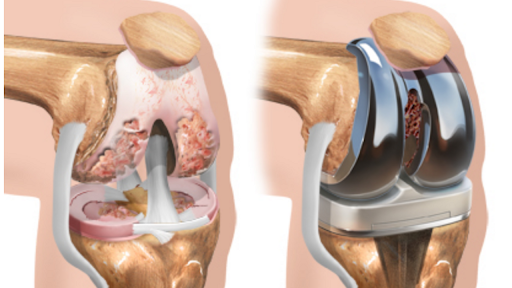
Knee replacement surgery involves removing damaged or worn-out parts of the knee joint and replacing them with artificial components made of metal, plastic, or ceramic. These implants are designed to move like a natural knee joint. The type of surgery suggested depends on factors such as age, activity level, severity of joint damage, and overall health.
Total Knee Replacement (TKR)
Total knee replacement is the most common type of knee replacement surgery. In this procedure, the surgeon removes damaged cartilage and bone from the entire knee joint, including the thigh bone, shin bone, and kneecap. These areas are then replaced with artificial surfaces that allow smooth movement.
This option is usually recommended for patients with severe arthritis or widespread knee damage. Total knee replacement provides long-lasting pain relief and improved mobility. Most patients can return to normal daily activities after completing rehabilitation.
Partial Knee Replacement (PKR)
Partial knee replacement, also known as unicompartmental knee replacement, is suitable for patients whose knee damage is limited to one part of the joint. Instead of replacing the entire knee, the surgeon replaces only the damaged section.
Because less bone and tissue are removed, recovery is often faster compared to total knee replacement. Patients usually experience less pain after surgery and regain movement more quickly. However, this option is only suitable for selected patients after careful evaluation.
Bilateral Knee Replacement
Bilateral knee replacement involves replacing both knees during the same surgery or in two separate procedures. This option is considered for patients who have severe arthritis in both knees.
Having both knees replaced at the same time reduces the overall recovery period and hospital stay. However, it requires good physical health, as the body needs to heal from two surgeries at once. Doctors carefully assess whether a patient is fit for this approach.
Revision Knee Replacement
Revision knee replacement is performed when a previous knee replacement implant fails or wears out over time. This may happen due to infection, implant loosening, or injury.
This procedure is more complex than the first surgery because the surgeon must remove the old implant and replace it with a new one. While recovery may take longer, revision surgery can successfully restore knee function and relieve pain when done by experienced specialists.
Minimally Invasive Knee Replacement
Minimally invasive knee replacement uses smaller incisions and causes less damage to surrounding muscles and tissues. The artificial joint used is similar to that in traditional surgery, but the surgical technique is different.
The benefits include reduced pain, shorter hospital stays, and faster recovery. However, not all patients are suitable candidates for this method, and it requires a highly skilled surgical team.
How the Recovery Process Works
Recovery after knee replacement surgery depends on the type of procedure and the patient’s overall health. Most patients begin walking with support within a day or two. Physiotherapy is a key part of recovery, helping strengthen muscles and improve joint movement.
During the recovery phase, many patients also plan their long-term care, including follow-up visits and rehabilitation expenses such as Knee Replacement Surgery Cost In India, to better understand their treatment journey.
Choosing the Right Type of Surgery
Selecting the right type of knee replacement surgery involves a detailed discussion with your orthopedic surgeon. Factors such as age, lifestyle, knee condition, and personal expectations play a major role. A thorough medical evaluation helps ensure the safest and most effective treatment option.
Final Thoughts
Knee replacement surgery has helped millions of people regain mobility and live pain-free lives. Understanding the different types of knee replacement procedures and how they work can help patients feel more confident and prepared. With proper medical guidance, rehabilitation, and care, knee replacement surgery can be a life-changing step toward better mobility and improved quality of life.