













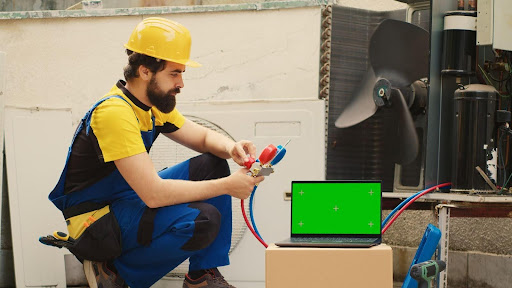
Achieving consistent comfort and energy efficiency relies heavily on HVAC systems in modern building design. Proper installation not only regulates temperature but also ensures optimal airflow and indoor air quality. Whether in a commercial tower in Dubai or a residential complex in Abu Dhabi, professional HVAC installation services are crucial for system performance. An HVAC system manages heating, ventilation, and air conditioning to create safe, comfortable, and energy‑efficient environments.
Selecting the right equipment matters, but correct installation determines its effectiveness. When installed precisely, every fan, duct, valve, and component works in harmony, delivering balanced airflow, minimizing energy waste, and extending the system’s lifespan.
Understanding Airflow Dynamics
Airflow within a built environment is governed by a delicate balance of pressure, duct design, and equipment configuration. HVAC systems work by moving air through a network of ducts, filters, and vents. If these pathways are not expertly planned and installed, airflow can become inconsistent, leading to hot or cold spots, poor air circulation, and increased energy consumption. Professional HVAC installation solutions ensure that the ductwork, fans, and components are sized and positioned correctly based on the unique demands of the space.
In real-world situations, air must travel through multiple zones from return air openings to conditioned supply outlets without losing pressure or creating turbulent pockets. Incomplete design or poor installation can result in leakage, pressure imbalance, and airflow restrictions that compromise comfort and system performance.
The Role of Skilled Design and Engineering
Before any physical installation begins, a comprehensive design is crucial. This includes detailed calculations of heat load, ambient climate conditions, occupancy levels, and building usage patterns. Engineers with deep HVAC expertise use advanced methodologies to calculate the most efficient layout for ducts, control systems, and air handlers. This step is where the foundation for optimal airflow is set.
Without a well‑executed design, even the most advanced mechanical equipment can underperform. The precision in measurement, air balancing, and coordination between HVAC components ensures that every inch of space receives conditioned air appropriately. A strong design also takes into account how external elements, such as thermal loads and ventilation requirements, interact with internal systems.
Precision in Installation Execution
Once a design plan is finalized, high‑quality installation is the next key factor. Experienced HVAC technicians and engineers implement the design using structured methodologies and industry‑standard practices. This phase covers not just the mechanical placement of equipment but also integration with electrical systems, controls, and safety systems.
Meticulous installation ensures that air handling units, fan coil units, and duct systems are secure, airtight, and aligned with design specifications. Components such as pre‑insulated air ducts must be fitted to minimize thermal loss and maintain airtight sealing that supports steady airflow. By entrusting installation to qualified services, building owners avoid common pitfalls such as improper insulation, inadequate sealing, and misalignment of components that hinder performance.
Quality Assurance and Testing
After installation, HVAC systems require comprehensive testing to verify that airflow and system performance meet expected benchmarks. This involves airflow testing, balancing, and calibration so that all zones within the building receive uniform conditioning. Technicians adjust fan speeds, register dampers, and control settings to optimize airflow rates and pressure distribution across the system.
Testing also plays a vital role in identifying problems early. Without proper testing after installation, hidden issues such as duct leakage, pressure imbalances, or sub‑optimal fan settings can go unnoticed, leading to long‑term operational inefficiencies. Post‑installation testing ensures that the HVAC system performs exactly as intended under realistic load conditions.
Maintenance Starts at Installation
A well‑executed HVAC installation lays the groundwork for easier long‑term maintenance. When components are correctly installed, they become easier to access, clean, and service. This contributes to sustained peak performance throughout the service life of the system. Regular maintenance becomes a straightforward process, preventing breakdowns and inefficiencies that often arise from a lack of care.
Transit of air through optimal pathways also reduces strain on system components. When airflow is smooth and unimpeded, fans and compressors work efficiently, reducing energy consumption and wear and tear. This contributes not only to lower operational costs but also to extended equipment life.
Why HVAC Installation Services Make a Difference
Installation matters because it bridges the gap between theoretical performance and real‑world performance. HVAC equipment might carry excellent specifications on paper, but without expert installation, actual benefits can be negated. Effective HVAC installation services provide that crucial expertise, transforming technical design into a reality that delivers balanced airflow, energy efficiency, and dependable performance.
When systems are installed by trained professionals, building owners can trust that each component, from ductwork to air handling units, works in harmony. Whether managing conditioned air in a large office complex or smaller residential units, precise installation prevents issues such as inconsistent temperatures, poor air quality, and unnecessary energy drain.
Choosing the Right Support from HVAC Installation Companies in the UAE
Selecting HVAC installation companies in UAE can be challenging due to the many providers available. What sets competent companies apart is their combination of technical expertise and reliable project execution. Experienced providers take a holistic approach, covering design analysis, installation, testing, and ongoing support.
For projects requiring more than just installation, after‑sales service and maintenance become essential. Companies offering engineering support, training, and system optimization ensure long-lasting performance. By partnering with experts who understand local climate conditions and building requirements, businesses in the UAE can achieve HVAC systems that operate efficiently and reliably, even under extreme conditions.
Conclusion
Effective HVAC installation services are essential for ensuring optimal airflow, controlled environments, and high system performance. From careful design and precise installation to rigorous testing and ongoing maintenance support, every step influences the efficiency and comfort delivered by HVAC systems. By focusing on quality installation practices, building owners benefit from reduced energy costs, improved indoor air comfort, and equipment longevity.
- If you are looking for trusted HVAC and MEP solutions, FJ Group is the partner you need. Leveraging its extensive network of divisions and engineering expertise, the company offers end-to-end services including design, installation, maintenance, and product supply. With decades of experience serving the UAE and GCC markets, FJ Group delivers reliable, performance-driven HVAC systems tailored to meet the unique requirements of every project.