













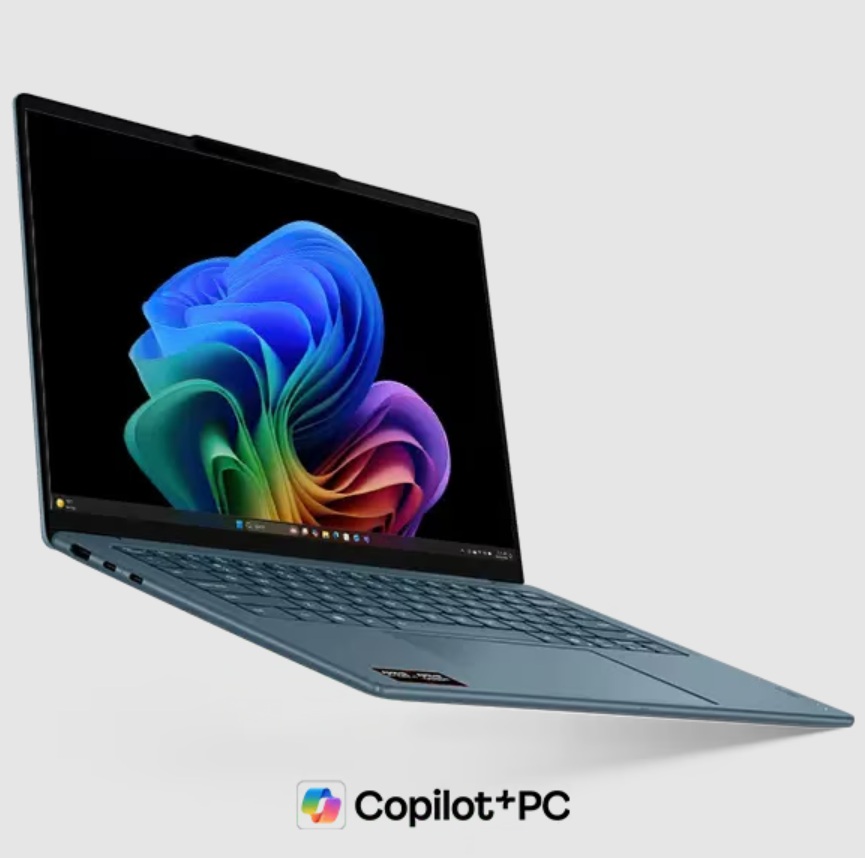
The era of the standard laptop is ending right before our eyes. You probably remember when a faster processor or more RAM was the only reason to upgrade. Those days are gone now. We are entering the age of the AI laptop. This shift changes everything about how we interact with silicon and software. It is not just a small update. It is a total rewrite of the computing rules. Your laptop is becoming a proactive partner instead of a reactive tool. This transition affects how hardware thinks and how you work. We are seeing a massive move toward local processing power. AI chips now live right on your motherboard. This change brings speed and privacy together like never before. Let us explore the eight paradigms shifting today because of these smart machines.
1. On-Device Intelligence Powers Faster Processing
For years, we relied on centralized computing infrastructure for heavy lifting. An AI-powered laptop changes this dynamically with a Neural Processing Unit or NPU, allowing complex AI tasks to run directly on the device for faster responses and more efficient performance.
This specific hardware handles AI tasks locally. You no longer need a constant internet connection for smart features. This shift ensures your data stays on your device. It reduces latency significantly. You get instant responses from your local AI models. Privacy becomes the default setting for every user.
Small Chips Do Big Heavy Lifting
The NPU works alongside your CPU and GPU. It handles repetitive math tasks very efficiently. This dedicated space saves your battery life.
Speed Wins Every Single Time
Local processing means no waiting for server responses. Your workflow stays fluid and fast. You own your processing power again.
2. Natural Language Becomes the Primary Interface
Forget clicking through endless menus and folders. AI laptops understand what you say and mean. You can talk to your computer like a human colleague. Natural Language Processing, or NLP, is the new keyboard. You describe a task, and the laptop executes it. This shift makes computing accessible to everyone. Technical barriers are falling fast.
- You can ask to find a specific file from three months ago.
- The system understands vague descriptions of images.
- Complex settings change with a simple voice command.
3. Passive Tools Transform into Proactive Partners
Old laptops waited for your input to do anything. AI laptops watch your habits and anticipate your needs. This is the shift from reactive to proactive computing. Your laptop might suggest opening a meeting link before you ask. It organizes your desktop based on your current project. The machine learns your schedule and optimizes performance. It becomes an assistant that knows your workflow.
Anticipation Improves Daily Productivity
The system pre-loads apps you use every morning. It silences notifications during your deep work hours.
Machine Learning Creates Custom Paths
Your laptop evolves based on your specific behavior. No two AI laptops will stay the same over time.
With around 1.8 billion people worldwide using AI tools and devices, AI computers are becoming an important part of our digital lives.
4. Energy Efficiency Reaches Impossible New Heights
AI laptops manage power better than any previous generation. They use machine learning to distribute energy where it matters most. The NPU handles tasks that used to drain the battery quickly. You get much longer run times without losing performance. This paradigm shift ends the constant search for power outlets. Your laptop stays cool even during intense creative sessions. Silicon efficiency is the new benchmark for success.
- System throttles power based on real-time usage patterns.
- Background tasks move to high-efficiency cores.
- Screen brightness adjusts based on eye tracking technology.
- Battery health lasts longer due to smart charging cycles.
Better battery life gives you the freedom to create anywhere. This mobility fuels a revolution in creative output and media.
5. Generative Content Becomes a Standard Feature
Creating content used to require expensive software and high skills. AI laptops come with generative tools built into the OS. You can generate images or text summaries in seconds. This shift democratizes high-quality production. Large Language Models or LLMs run directly on your hardware. You can edit videos using simple text descriptions. The laptop assists in the creative process from start to finish.
Real-Time Rendering Saves Hours
Generative AI handles the tedious parts of design. You focus on the big ideas and the vision.
As creation becomes easier, the laptop also needs to understand the world around it. This involves a new level of sensory awareness.
Image Source: Pinterest
6. Sensory Awareness Enables Contextual Computing
Laptops are gaining a sense of sight and sound. AI laptops use cameras and mics to understand context. They know if you are sitting at your desk or in a cafe. The system adjusts audio cancellation based on background noise. It blurs your background automatically during video calls. It even locks the screen when you walk away. This awareness makes the laptop feel alive.
- Cameras track eye movement to save power.
- Microphones isolate your voice from loud crowds.
- The system recognizes your face for instant login.
- Sensors detect ambient light to protect your eyes.
Sensory awareness helps the laptop understand you better. This understanding extends to how the laptop protects your most private information.
7. Zero Trust Security Happens at the Hardware Level
Security is shifting from software patches to hardware intelligence. AI laptops monitor system behavior for strange patterns. They can detect malware before it even executes. This is a move toward a “Zero Trust” model. The AI looks for deviations in how files move. It identifies phishing attempts in real time. Your biometric data stays locked inside a secure enclave. Security is now silent and constant.
Constant Monitoring Prevents Modern Threats
The system learns what normal behavior looks like. It stops unauthorized access immediately without your help.
While security keeps you safe, the laptop also works on your legacy data. It changes how you remember and find information.
8. The End of Traditional File Management
We are moving away from folders and complex paths. AI laptops use semantic search to find everything. You search for “that chart about sales from Tuesday,” and it appears. The computer indexes the content of your files, not just the titles. This shift removes the stress of organizing data. Your laptop creates a digital memory of your work. Finding information becomes as easy as thinking about it.
- Search results include text inside images and videos.
- Related documents link together automatically.
- The system summarizes long threads of communication.
- Folders become obsolete as tags and context take over.
Conclusion
The shift toward AI laptops marks a historic turning point. We are leaving behind the era of traditional machines. Your next computer will understand your voice and your habits. It will protect your data with hardware intelligence. It will create content alongside you. This transformation makes technology more human and less technical. The future of computing is local and incredibly smart. It is time to experience a machine that truly thinks with you.