













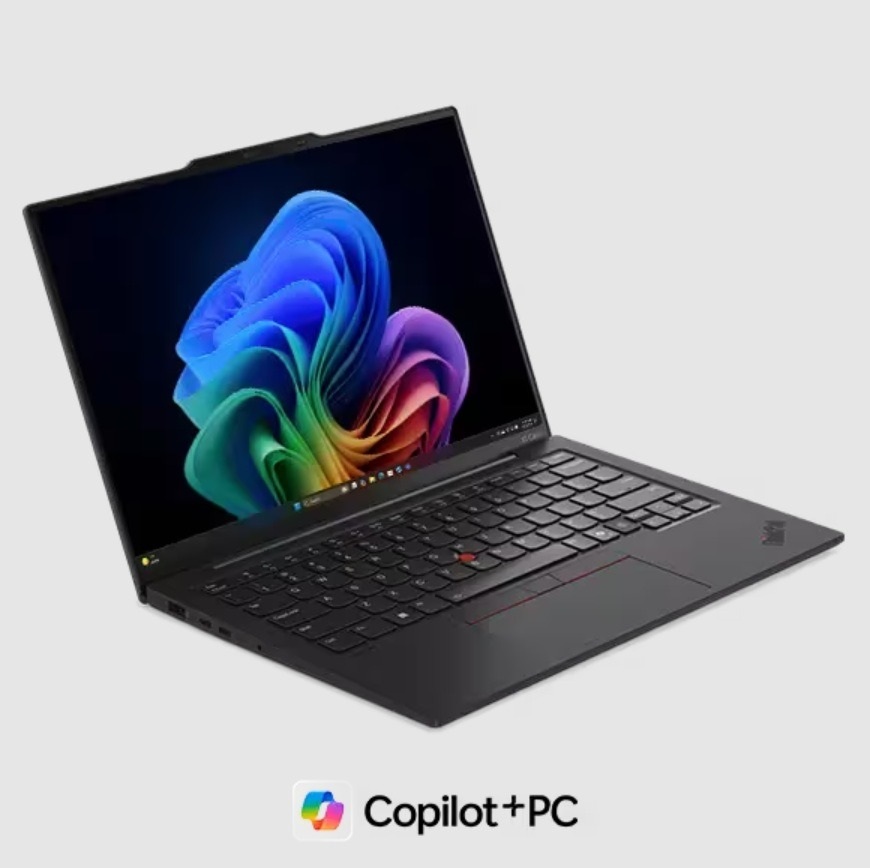
The era of the standard computer is fading away quickly. AI PCs are changing how we work and live every single day. These machines carry special chips designed to handle massive data tasks locally. This shift moves the brain of AI from the cloud to your desk. You might think this change only happens inside the laptop case. However, the truth is much bigger than a simple hardware upgrade. This revolution forces the entire world of technology to rebuild its foundation. This transition feels like the jump from dial-up to high-speed fiber internet. It is fast, and it is happening right now across the globe.
Let’s talk to understand in detail
1. Faster Brains Living Inside Your Local Hardware
Traditional computers rely on the central processing unit for most tasks. An AI PC introduces the Neural Processing Unit to the motherboard that offloads AI tasks from the CPU, enabling faster and more efficient on-device processing. This chip handles complex math without asking the cloud for help. You get instant responses for things like live video editing. Your battery lasts longer because the main processor rests more often. This local power changes how software developers write their code today. They no longer worry about slow internet speeds ruining their apps.
The Rise of the Smart Local Chip
These chips make your computer feel like a living partner. They learn your habits and predict your next move accurately. You save hours of time on repetitive office tasks every week.
The hardware change leads directly into how we manage our power. Better chips need a different kind of energy management system.
2. Power Grids Facing a Brand New Energy Demand
AI tasks require a lot of electricity to run smoothly. Standard office buildings were not built for this high heat. Architects now design workspaces with advanced cooling systems in mind. We see a move toward liquid cooling even in small offices. This shift forces cities to upgrade their local power delivery. Buildings must handle higher voltage without blowing any fuses or circuits. You will see more green energy used to offset this cost.
Energy needs lead us to think about where data lives. If the AI PC is powerful, then the cloud must adapt to it.
3. Hybrid Clouds: Balancing the Load Between Sources
Not every task stays on your local hard drive forever. The cloud now acts as a massive backup for your PC. We call this a hybrid infrastructure model in the industry. Your AI PC handles the fast work while the cloud learns. This balance keeps the internet from getting too crowded or slow. It creates a seamless bridge between your desk and the server. You get the best of both worlds without any lag time.
A steady connection is great, but it must stay private. Local AI changes the rules for your personal data security.
With the growing use of AI PCs worldwide, their market is continuously rising. The global share is expected to surpass $ 992 billion by 2035
4. Privacy Walls Moving Closer to Your Fingerprints
Security used to happen at the edge of the network. Now security starts right inside your own keyboard and mouse. AI PCs keep your sensitive files away from public servers. Hackers find it much harder to steal what never leaves. Companies are building new firewalls that live inside the silicon chips. This creates a personal vault for every single user on earth. You own your data because you process it yourself locally.
Stronger security allows for much faster data movement across the board. High speed becomes the new baseline for every single interaction.
5. Connectivity Jumping to the Next Level of Speed
Wi-Fi 7 is becoming the standard for these new machines. AI needs to talk to other devices at lightning speed. Your home network will look like a professional data center soon. Routers must handle more devices without dropping any signal strength. This shift eliminates the spinning loading circle on your screen. Everything feels instant and fluid like a real conversation. We are building a world where waiting for data is over.
High Speed Cables and Wireless Ports
The newly developed cables enable simultaneous transmission of both data and power. The solution eliminates desk clutter while it creates better airflow throughout the space.
Fast connections mean we can store more data than ever. Storage technology is currently undergoing a massive physical transformation, too.
6. Storage Units Learning to Think for Themselves
Old hard drives are too slow for the AI generation. We are moving to high-speed drives with built-in smarts. These drives organize your files before you even ask them. They find the data the AI needs in a millisecond. This reduces the time you spend searching for old documents. Your computer knows where everything is at all times. This infrastructure shift makes old storage feel like a dusty library.
Better storage helps us see things in a whole new light. The way we view our screens is also changing forever.
7. Displays Becoming Windows into a Digital Reality
Screens are now more than just pieces of glowing glass. They adjust their colors based on what the AI sees. This creates a more natural experience for your tired eyes. The monitor communicates with the AI to save power during work. It dims when you look away and wakes up instantly. This makes the interface feel like a natural part of life. We are seeing the end of the static computer monitor.
Conclusion
The rise of the AI PC is not a small trend. It is a total rebuild of our digital world. We are moving toward a future where hardware understands our needs. Every part of the system works together to save time. You will feel this power in your hands very soon. The infrastructure around us is finally catching up to our dreams. It is time to embrace a faster and smarter way of living. We are just getting started on this incredible tech journey.