













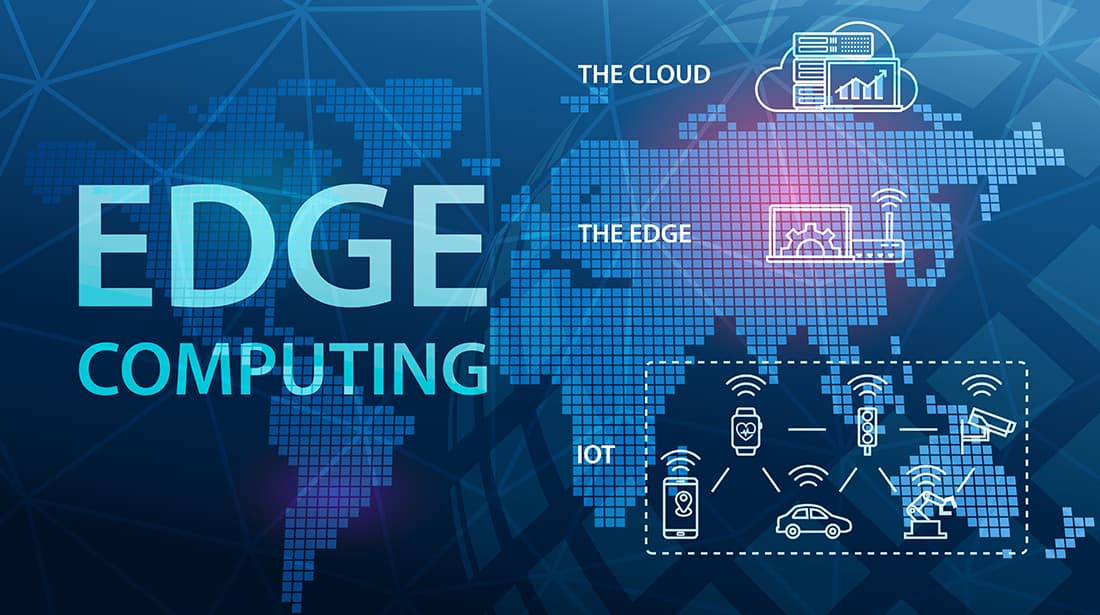
Modern businesses depend on fast access to data to keep operations steady and teams confident in daily decisions. When systems wait too long for data to travel back and forth between distant locations, productivity drops, and trust in technology weakens.
This is where edge computing brings real value to enterprise environments. It helps organizations process information closer to where it is created, which reduces delays and supports smoother workflows.
Organizations want systems that respond at the same pace as the business itself, and edge computing supports that goal in a very practical way. Instead of sending every request to a central location, edge computing allows local systems to handle important tasks right away.
Let us explore how edge computing minimizes data transfer delays, helps businesses design systems that feel faster, more reliable, and easier to manage every day.
Method 1: Use Local Data Processing at the Source
Local data processing is one of the strongest methods in edge computing for reducing delays. When systems process data at the point of creation, they avoid long travel times across networks. This method works well in environments where speed matters every second.
Local processing keeps workflows moving because systems respond immediately. Sensors, machines, and applications no longer wait for distant servers to reply. Teams notice smoother operations and fewer interruptions during daily work.
By keeping data close, edge computing helps businesses maintain control over time-sensitive operations. This method supports confidence because systems behave predictably even during busy hours.
Why Local Processing Reduces Delays
Local processing cuts unnecessary data movement and keeps responses close to real time. It also reduces network strain, which supports steady performance.
Key benefits include
- Faster response for critical tasks
- Reduced dependency on central systems
- Better performance during network congestion
Method 2: Apply Intelligent Data Filtering at the Edge
Not all data needs to travel across the network. Intelligent filtering allows edge computing systems to decide which data matters most. This method focuses on sending only useful information while handling the rest locally.
Filtering helps systems avoid overload. Instead of pushing raw data to central platforms, edge computing processes and refines it first. This approach keeps networks lighter and responses quicker.
How Intelligent Filtering Works
Edge systems analyze incoming data and select what needs further action. Everything else stays local or gets summarized.
Important advantages include
- Less data is sent over the network
- Faster decision cycles
- Better use of bandwidth
With this method, edge computing supports smarter data movement. Businesses gain speed without sacrificing insight. Teams receive the information they need at the right time, which improves clarity and focus.
Method 3: Use Distributed Edge Nodes Across Locations
Distributed edge nodes play a key role in minimizing delays for organizations with many sites. Instead of relying on one central system, edge computing spreads processing across multiple local nodes.
Each node handles tasks for its location, which shortens the distance data travels. This method fits well with branch offices, factories, and remote operations.
Benefits of Distributed Edge Nodes
When processing occurs near users’ systems, it feels faster and more responsive. Work continues smoothly even when connections vary.
Key outcomes include
- Consistent performance across locations
- Reduced network bottlenecks
- Faster local application response
Edge computing with distributed nodes creates balance. It supports growth while keeping performance stable. Businesses feel confident expanding operations because technology scales naturally with them.
Method 4: Enable Real-Time Analytics at the Edge
Real-time analytics at the edge helps organizations act on data without delay. Instead of waiting for centralized analysis, edge computing processes insights locally as events happen.
This method supports environments where timing matters, such as operations monitoring and customer interactions. Immediate analysis leads to immediate action.
Why Real-Time Analytics Matter
When analytics run locally, decisions happen faster. Systems react while situations unfold which reduces risk and improves outcomes.
Core strengths include
- Instant insights without network delay
- Faster responses to changing conditions
- Improved operational awareness
Edge computing brings intelligence closer to action. Teams trust systems more when insights arrive at the right moment. This trust builds stronger alignment between technology and business goals.
Method 5: Integrate Edge Computing with Hybrid Cloud Design
Hybrid cloud integration strengthens edge computing by combining local processing with centralized oversight. This method ensures that only necessary data moves between edge and cloud systems.
Edge computing handles immediate tasks while the cloud manages long-term storage and analysis. This balance keeps performance fast without losing visibility.
How Hybrid Design Minimizes Delays
Hybrid design allows edge systems to act independently when speed matters. Data moves to the cloud only when needed.
Key benefits include
- Faster local decision-making
- Controlled data transfer
- Scalable system management
By blending edge computing with hybrid cloud models, businesses achieve flexibility without delay. Systems adapt to workload demands while maintaining steady performance across environments.
Conclusion
Data transfer delays create frustration that teams feel every day. When systems pause, productivity slows, and confidence fades. Edge computing offers a more thoughtful approach that respects how people work and how businesses grow. By processing data closer to its source, filtering information wisely, distributing edge nodes enabling real-time analytics, and using hybrid designs, organizations reduce delays in a practical and reliable way. These methods do not aim to impress with complexity.
They aim to support calm, consistent performance that teams can depend on. Edge computing works best when it feels invisible yet dependable. As businesses move forward, the real value lies in creating systems that respond with speed and care. When technology keeps pace with people, work feels smoother, decisions feel clearer, and progress feels natural. That connection is what makes edge computing truly meaningful.