













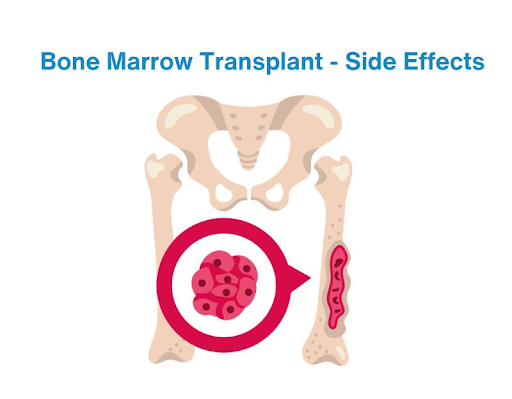
A bone marrow transplant is often a life-saving procedure for patients with serious blood disorders and cancers. While many transplants are successful, the recovery phase requires close attention because, in some cases, the body may react against the transplanted cells. Recognizing early warning signs of transplant rejection is critical, as timely medical care can prevent serious complications and improve outcomes.
This article explains what transplant rejection is, the early symptoms to watch for, and why regular follow-up care is so important.
What Does Bone Marrow Transplant Rejection Mean?
After a bone marrow transplant, healthy stem cells are introduced into the patient’s body to rebuild the blood and immune system. Rejection occurs when the transplanted cells fail to grow properly or when the immune system reacts abnormally. This can happen due to immune mismatch, infections, or complications during recovery.
Rejection does not always mean the transplant has failed, especially if detected early.
Early Signs Patients Should Not Ignore
The symptoms of transplant rejection can vary from person to person, but some warning signs commonly appear during the first few weeks or months after the procedure.
1. Persistent Fever
A continuous or unexplained fever may indicate infection or immune system activity against the transplanted cells. Any fever after transplant should be reported to the doctor immediately.
2. Extreme Fatigue and Weakness
While some tiredness is expected during recovery, worsening weakness or sudden exhaustion may signal that new blood cells are not forming properly.
3. Delayed Blood Count Recovery
If white blood cells, red blood cells, or platelets do not increase as expected, it may be a sign that the transplanted marrow is not functioning well.
4. Skin Changes
Rashes, redness, itching, or peeling skin may indicate graft-related immune reactions. These symptoms should never be ignored.
5. Digestive Problems
Ongoing diarrhea, abdominal pain, nausea, or loss of appetite can be early signs of immune complications affecting the digestive system.
6. Frequent Infections
Repeated infections or infections that are difficult to treat may suggest that the immune system is not rebuilding as planned.
The Importance of Monitoring and Follow-Up
Recovery after a transplant requires regular medical supervision. Blood tests, physical examinations, and symptom tracking help doctors identify problems early. Many patients and families also use this period to plan long-term care, including understanding aspects such as the Bone Marrow transplant cost in India, hospital stay duration, medications, and follow-up requirements.
Careful planning and continuous monitoring play a major role in long-term success.
How Doctors Manage Rejection Risks
Medical teams take several steps to reduce the risk of rejection, including:
- Careful donor matching before transplant
- Use of immune-suppressing medications
- Strict infection prevention protocols
- Frequent blood tests and health assessments
If early signs of rejection appear, doctors may adjust medications, treat infections, or provide supportive therapies to protect the transplanted cells.
When to Contact a Doctor Immediately
Patients should seek medical attention right away if they experience:
- Fever above normal levels
- Sudden rashes or skin changes
- Severe diarrhea or vomiting
- Unusual bleeding or bruising
- Shortness of breath or chest discomfort
Early reporting can make a significant difference in recovery.
Life After a Bone Marrow Transplant
Most patients who follow medical advice, attend regular check-ups, and maintain a healthy lifestyle recover successfully. Good nutrition, proper hygiene, emotional support, and adherence to medications all help strengthen the new immune system over time.
Final Thoughts
Bone marrow transplant rejection is a serious concern, but early warning signs often appear before major complications develop. Understanding these symptoms empowers patients and caregivers to act quickly and seek timely medical care. With close monitoring, expert treatment, and ongoing support, many transplant-related issues can be managed effectively, allowing patients to move forward toward a healthier future.