













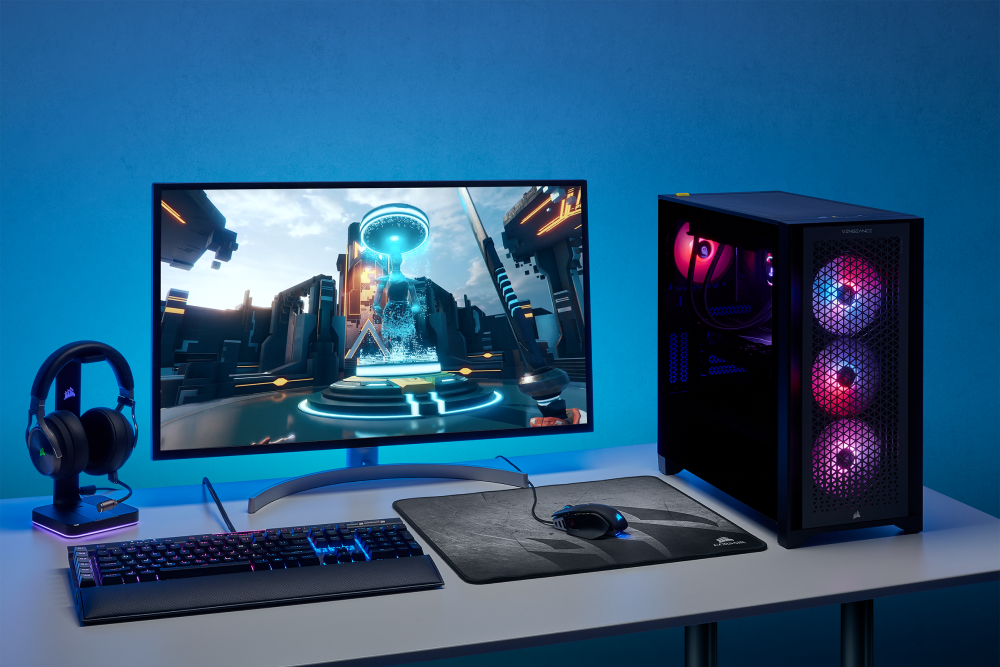
A gaming computer plays a more vital role than pure entertainment. Teams of designers, developers, and technical professionals rely on the same systems to power focused work, long hours, and demanding software.
Because of this shift, performance quality matters more than ever. A high-quality gaming computer must deliver steady speed, clear visuals, and dependable operation without adding friction to daily work.
Businesses expect consistency rather than sudden slowdowns, and creators need systems that keep pace with ideas as they form. At the same time, gamers expect smooth play without interruptions or stutter.
The five performance factors below explain what separates a high-quality gaming computer from an average one and why these elements matter for both work and play in modern professional environments.
1. Delivers Consistent Processing Power for Demanding Tasks
Strong processing power shapes every experience on a gaming computer, and it works hand in hand with a gaming monitor to deliver smooth and reliable output.
The processor handles calculations, logic, and task coordination across software and games, while the gaming computer displays those results with clarity and speed. A high-quality system manages heavy workloads while staying responsive throughout the day, which allows the gaming monitor to show stable motion, clear details, and uninterrupted performance during both work and play.
Why processing consistency matters
Consistent processing power helps users focus rather than wait. It supports fast response during intense gaming moments and complex work tasks alike.
Key benefits include
- Smooth multitasking across applications
- Faster load times for games and software
- Stable performance during long sessions
- Reliable handling of updates and background tasks
This level of processing strength ensures the gaming computer supports productivity and creativity without slowing progress.
2. Uses High Performance Graphics for Clear Visual Output
Graphics performance defines how a system displays information and motion. A high-quality gaming computer delivers smooth visuals, sharp detail, and steady frame rates across screens. This matters for gaming and for professional tasks such as design, editing, and simulation work.
How graphics performance improves daily use
Strong graphics performance reduces visual strain and keeps motion fluid. It allows users to trust what they see on screen and work with confidence.
Important outcomes include
- Clear image quality during fast action
- Stable frame rates during demanding scenes
- Accurate visual detail for creative work
- Better support for large displays
When graphics perform well, the gaming computer feels balanced and dependable in every scenario.
3. Maintains Fast Memory and Storage Response
Speed depends on more than processing and graphics alone. Memory and storage determine how quickly data moves inside the system. A high-quality gaming computer uses fast memory and responsive storage to keep workflows moving without interruption.
Why memory and storage speed matter
Fast access to data helps users stay in flow. It reduces waiting and improves responsiveness across tasks.
Performance advantages include
- Quick system startup
- Faster application launch times
- Smooth switching between programs
- Reliable handling of large files
This combination ensures the gaming computer responds instantly when users need it most.
4. Manages Heat to Sustain Long-Term Performance
Performance only matters when it lasts. Heat management plays a critical role in maintaining system quality. A high-quality gaming computer controls temperature effectively, so performance stays stable under pressure.
How thermal control supports reliability
Good cooling allows components to work at their best for longer periods. It protects hardware and maintains consistent output.
Key benefits include
- Stable performance during extended sessions
- Reduced system noise during normal use
- Longer hardware lifespan
- Fewer performance drops under load
Strong thermal design ensures the gaming computer remains reliable even during heavy use.
5. Balances Power Efficiency with Performance Stability
Power management affects how smoothly a system operates over time. A high-quality gaming computer balances performance and energy use without sudden shifts. This balance supports predictable behavior across workdays and gaming sessions.
Why does power balance improve user trust?
Stable power delivery helps systems avoid unexpected slowdowns. It also supports consistent performance across different workloads.
Important advantages include
- Steady output across tasks
- Reduced system stress
- Better efficiency during lighter use
- Improved long-term reliability
This balance allows users to rely on their gaming computer as a dependable partner throughout the day.
Conclusion
A high-quality gaming computer earns trust through consistency rather than raw speed alone. When processing stays steady, visuals remain clear, memory responds quickly, heat stays controlled, and power stays balanced. Users feel confident in their systems.
These five performance factors work together to create an experience that supports both productivity and play without compromise. The right gaming computer removes friction and keeps focus where it belongs on creativity, results, and enjoyment.
When technology works quietly in the background, people work and play with greater ease. That sense of reliability turns a powerful system into a lasting companion that supports every goal with calm confidence.