












Retail and ecommerce brands today are operating in an environment where product data is no longer just operational, it’s experiential. Customers expect consistent, personalized, and real-time product experiences across websites, mobile apps, marketplaces, and physical touchpoints.
Understanding the Shift: PIM vs PXM
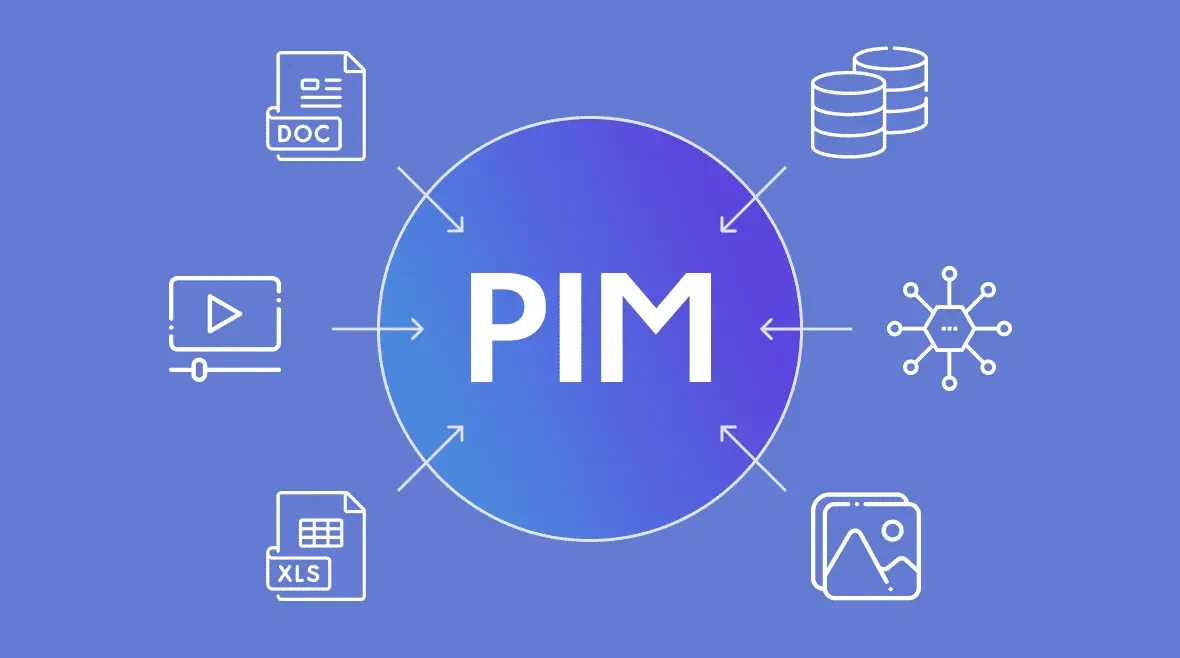
PIM focuses on centralizing and standardizing product data. PXM extends this by focusing on contextual, personalized, and channel-specific product experiences.
Why PXM Matters
PXM enables personalization, localization, omnichannel consistency, and better engagement. This shift from PIM PXM reflects how product data has become a strategic growth lever.
The Data Challenge
Behind every PXM strategy is complex data across platforms. Without strong governance, personalization efforts fail due to silos, inconsistencies, and compliance risks.
Governance as an Enabler
Modern governance frameworks like Databricks Unity Catalogue help centralize metadata, manage access, track lineage, and ensure data trust at scale.
Connecting PXM with Modern Data Platforms
When PXM integrates with governed data platforms, brands unlock real-time insights, AI-driven personalization, and faster experimentation—without compromising security.
Best Practices
– Build strong data foundations
– Design for composability
– Embed governance early
– Use analytics responsibly
– Align teams around experience outcomes
Conclusion
The future of retail lies in combining experience-led PXM strategies with governed, scalable data platforms. Brands that do this well will move faster, personalize better, and earn customer trust.
From PIM to PXM: Building Scalable, Governed Digital Commerce Experiences


Contact Us Now for Free Author Account