













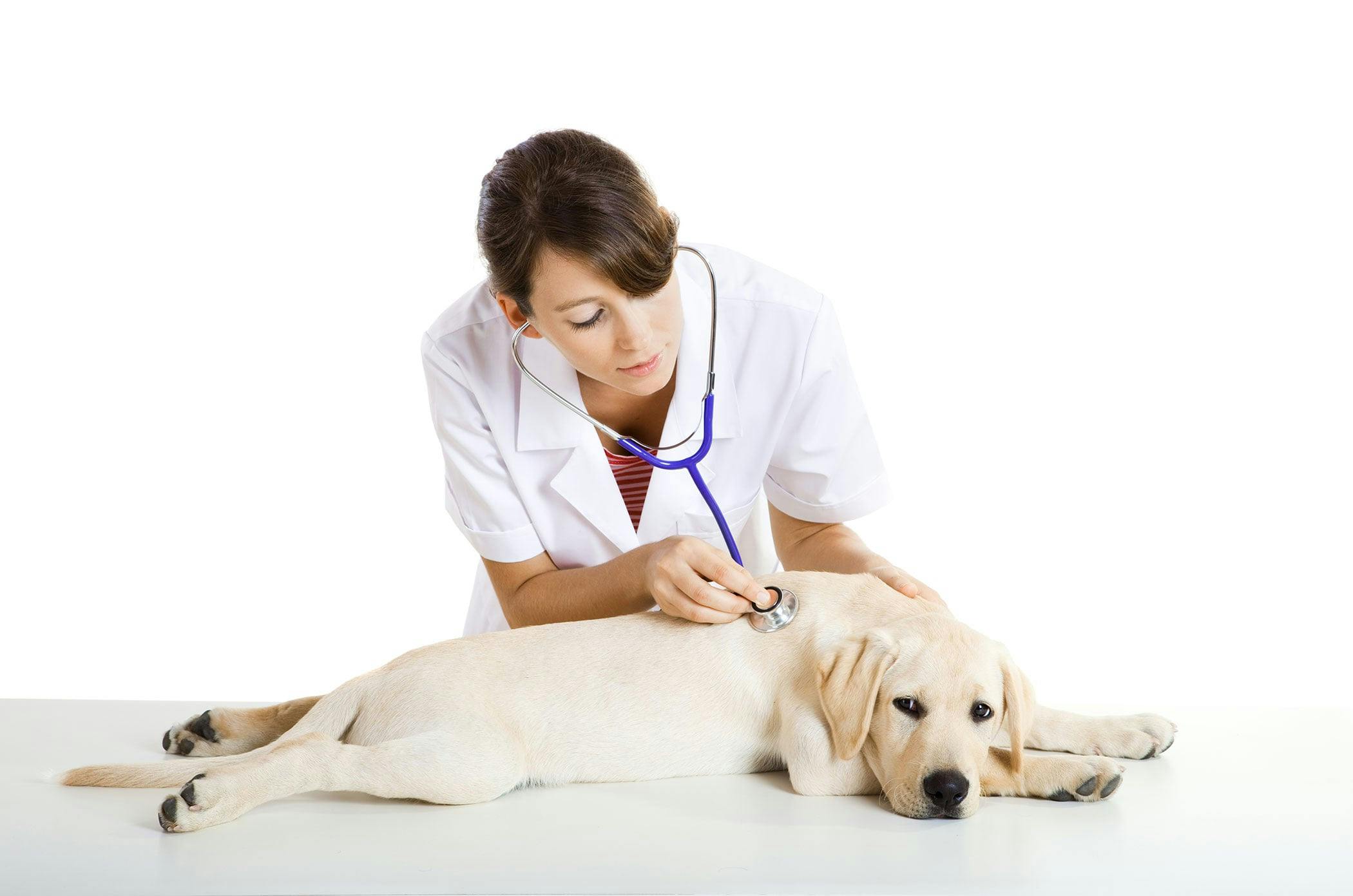
Neutering is a crucial step in maintaining the health and well-being of male dogs. Pet owners who choose to undergo this procedure for their pets not only prevent unwanted litters but also promote behavioral stability and long-term wellness. Consulting a neutering male dog specialist can provide clarity on the process, benefits, and care, ensuring your dog has a safe and smooth experience. This guide will explore everything dog owners need to know about neutering, from benefits to recovery tips.
1. Understanding the Benefits of Neutering
Neutering provides both medical and behavioral advantages, making it a recommended procedure for many pet owners.
- Health Advantages: Reduces the risk of prostate problems, testicular cancer, and certain infections.
- Behavioral Improvements: Can minimize aggression, roaming tendencies, and marking behaviors in male dogs.
- Population Control: Helps curb the number of unwanted puppies, contributing to responsible pet ownership.
- Overall Longevity: Neutered dogs often have a longer lifespan due to fewer health complications.
By understanding the multiple benefits, pet owners can make informed decisions and see neutering as an investment in their dog’s future health.
2. Pre-Surgery Preparation
Proper preparation before the surgery ensures a safe and smooth procedure for your dog.
- Veterinary Consultation: A vet assesses your dog’s overall health to identify any potential risks.
- Fasting Requirements: Dogs are usually advised to fast for several hours before surgery to prevent complications with anesthesia.
- Medical History Review: Sharing your dog’s previous medical issues or medications helps the vet plan the safest approach.
- Comfort and Support: Ensure your dog is calm and familiar with the environment to reduce stress before the procedure.
Preparation is key to minimizing risks and promoting a smooth surgical experience.
3. The Neutering Procedure
Understanding what happens during neutering can ease anxiety for pet owners and provide clarity on the process.
- Anesthesia Administration: The dog is given anesthesia to ensure a painless and stress-free procedure.
- Surgical Removal: Testicles are surgically removed through a small incision, preventing future reproductive capability.
- Suturing and Recovery: The incision is closed with sutures or surgical glue to allow proper healing.
- Monitoring: Dogs are carefully monitored for vital signs and reactions during and immediately after surgery.
The procedure is relatively quick, generally lasting less than an hour, and most dogs recover smoothly under veterinary supervision.
4. Post-Surgery Recovery Tips
Proper care after surgery ensures a speedy recovery and minimizes complications.
- Activity Restriction: Limit running, jumping, and rough play for at least 7–10 days.
- Incision Care: Keep the surgical site clean and dry; prevent your dog from licking the area.
- Pain Management: Administer prescribed medications on schedule to control discomfort.
- Regular Checkups: Follow-up visits with a vet for neutering in Dubai can ensure proper healing and address any concerns.
Following these tips promotes faster recovery and prevents infections or other complications.
5. Dietary Adjustments After Neutering
Post-surgery nutrition plays an important role in maintaining optimal health and preventing weight gain.
- Controlled Portions: Dogs may have reduced activity post-surgery, requiring smaller meal portions.
- High-Quality Diet: Ensure meals contain balanced nutrients to support healing and maintain muscle mass.
- Avoid Overfeeding: Extra treats can lead to obesity, which may affect long-term heart and joint health.
- Hydration: Keep fresh water available at all times to support recovery and overall wellness.
Dietary management ensures your dog recovers without unnecessary weight gain or nutritional deficiencies.
6. Behavioral Changes After Neutering
Neutering often brings positive behavioral modifications that improve the overall quality of life for both pets and owners.
- Reduced Aggression: Male dogs may display less dominance-related aggression toward other animals.
- Lower Roaming Instinct: Reduced desire to escape the home in search of mates.
- Diminished Marking: Marking behavior in the home or yard often decreases significantly.
- Calmer Temperament: Many neutered dogs become more relaxed and easier to train.
These behavioral improvements contribute to a safer and more harmonious environment for pets and their families.
7. Long-Term Health Considerations
While neutering offers many benefits, it’s important to consider long-term health aspects and maintain regular veterinary care.
- Weight Monitoring: Reduced activity can lead to weight gain; regular exercise is still necessary.
- Joint Health: Neutering does not prevent joint problems; balanced exercise and nutrition are important.
- Cancer Prevention: Early neutering reduces risks for certain cancers, but routine screening is still recommended.
- Heart Health Support: Maintaining a healthy diet and activity level supports cardiovascular wellness.
By being proactive, pet owners can ensure their dog enjoys the full benefits of neutering while minimizing potential risks.
8. Choosing the Right Veterinary Clinic
Selecting a qualified and experienced clinic is critical for a safe and successful neutering procedure.
- Experienced Veterinarians: Ensure the clinic has trained professionals who specialize in dog surgeries.
- Advanced Facilities: Clinics with modern surgical tools and monitoring equipment provide safer outcomes.
- Post-Operative Support: Access to guidance and follow-up care is crucial for recovery.
- Reputation and Reviews: Research clinics for proven success in neutering procedures and satisfied clients.
Choosing the right vet for neutering in Dubai ensures your dog receives safe, professional care tailored to their needs.
9. Myths and Facts About Neutering
Dispelling common myths can help pet owners make informed decisions.
- Myth: Neutering Causes Obesity: Weight gain is usually due to overfeeding, not the surgery itself.
- Myth: Neutering Changes Personality: While behavior may improve, the core personality remains intact.
- Myth: Surgery Is Risky: When performed by experienced vets, neutering is generally safe with minimal complications.
- Fact: Long-Term Health Benefits Are Significant: Reduces cancer risk, unwanted behaviors, and enhances overall wellness.
Educating yourself with accurate information ensures responsible and confident decision-making.
10. Final Advice for Pet Owners
Being prepared and informed can make the neutering process easier for both the dog and the owner.
- Plan Ahead: Schedule surgery considering your dog’s health and daily routine.
- Follow Veterinary Guidance: Adhere strictly to pre- and post-surgery instructions.
- Observe Behavior: Monitor for any unusual signs and contact your vet if concerns arise.
- Promote Holistic Wellness: Combine neutering with a balanced diet, exercise, and regular check-ups.
A well-planned approach ensures your dog reaps the full benefits of neutering and enjoys long-term health and happiness.
Conclusion
Neutering male dogs offers a combination of health, behavioral, and social benefits. From preventing reproductive diseases to reducing aggressive tendencies, responsible neutering is a critical aspect of pet care. Ensuring proper preparation, understanding the procedure, and following post-operative care guidelines are essential for a smooth recovery and long-term wellness.
Pet Point Veterinary Clinic, based in Dubai, offers expert services in dog neutering, providing professional guidance, safe surgical procedures, and comprehensive aftercare. Their experienced veterinarians and modern facilities ensure that your pet receives the highest standard of care, helping you maintain your dog’s health, happiness, and quality of life.
By prioritizing neutering and partnering with trusted veterinary professionals, pet owners can ensure that their dogs lead safer, healthier, and more balanced lives.